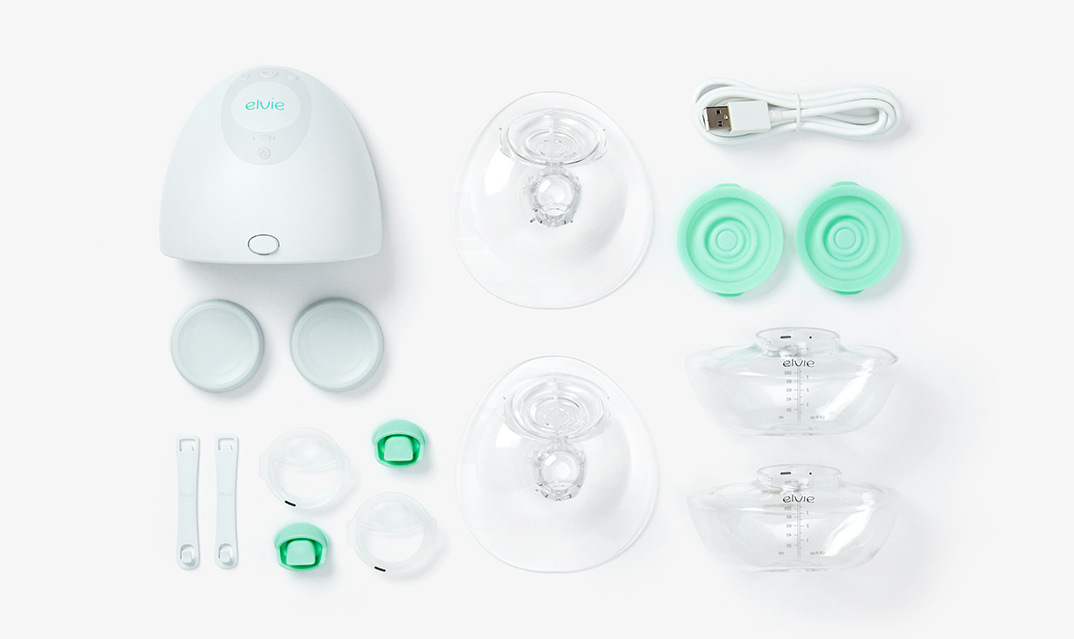
Elvie
Elvie Pump (Double)
$239.99
Released 2018
Best Breast Pumps · head-to-head
A sourced, side-by-side comparison. BabyBuddha 2.0 is cheaper at $199.99. Every spec and price links to its source.
Elvie
$239.99
Released 2018
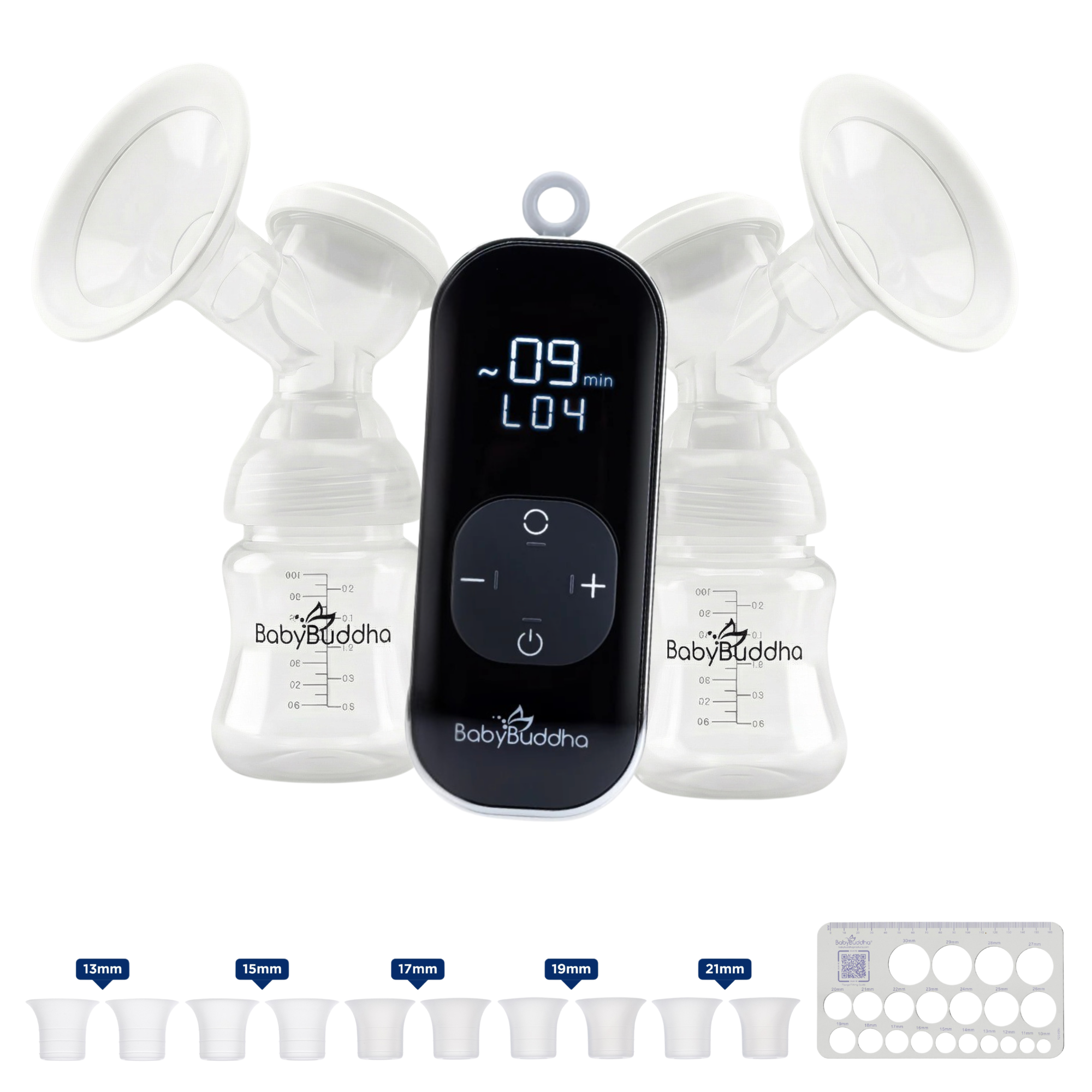
BabyBuddha
$199.99Cheaper
Released 2024
The BabyBuddha 2.0 wins 1 of the 1 specs we compare head to head; the other wins 0. The BabyBuddha 2.0 is the cheaper at $199.99. The BabyBuddha 2.0 both leads on specs and costs less — the straightforward pick.
As an Amazon Associate we earn from qualifying purchases. Prices verified at capture; live price may differ.
✓ marks the stronger figure where "more" — or "less", for price and weight — is unambiguously better.
| Spec | Elvie Pump (Double) | BabyBuddha 2.0 |
|---|---|---|
| US price | $239.99 | $199.99 |
| Brand | Elvie | BabyBuddha |
| Released | 2018 | 2024 |
| Type | wearable | electric_double |
| Suction levels | 7 | 21 |
| Max suction mmhg | 220 | 315 |
| Rechargeable battery | Yes | Yes |
| Hospital grade | No | Yes |
| Closed system | Yes | Yes |
| Weight (oz) | 7.9 | 6.8 |
| Release | 2018 | 2024 |
Sources — Elvie Pump (Double): elvie.com (verified 2026-06-19). BabyBuddha 2.0: babybuddhaproducts.com (verified 2026-06-19).
Where the two actually differ on the specs we track (5 of 7). Matching specs are omitted.
Sourced tester consensus for each — the "what people who used it think" layer, not just specs.
Two whitelisted outlets that hands-on test breast pumps (Reviewed/USA Today and Good Housekeeping) reviewed the wearable double Elvie; both praise its near-silent, fully wearable hands-free design and its automatic switch from stimulation to expression mode. Reviewed flags an inaccurate, drop-prone app and a hard-to-see milk level and calls it expensive, while Good Housekeeping flags an alignment learning curve. Neither published measured lab numbers for this model. (2 sourced reviews, 2 lab-tested.)
Praised: Near-silent, discreet operation you can use around others; Fully wearable, cordless and hands-free so you can pump anywhere while multitasking; Automatically switches from stimulation to expression mode.
Flagged: Expensive for a breast pump (listed ~$499-$539); App milk-count often inaccurate and Bluetooth connection drops, needing frequent re-pairing (Reviewed); Learning curve to align on the breast; misalignment causes leaks or weak suction (Good Housekeeping).
Only one whitelisted tester — NYT Wirecutter — hands-on tested this exact model, naming it best for hands-free pumping. Its exclusively-pumping tester compared it with the original model over two months and reported superior comfort and higher output (~29 to ~33 oz/day) versus the Spectra. Main drawbacks: it is the noisiest of their electric picks (45-50 dB) and, lacking true-wearable form, needs a pumping bra. (1 sourced review, 1 lab-tested.)
Praised: Superior comfort vs the original 1.0's overly strong pull, thanks to the new Soft Stimulation Mode; Efficient extraction; tester got more milk per session than any other pump (supply rose ~29 to ~33 oz/day); Lightweight (under a pound), compact and portable; hangs from a neck/wrist lanyard.
Flagged: Noisiest of Wirecutter's electric picks at 45-50 dB; More effort to clean — five parts to wash, two more than the Spectra pumps; Not a true wearable; dangling tubes require a pumping bra to hold flanges in place.