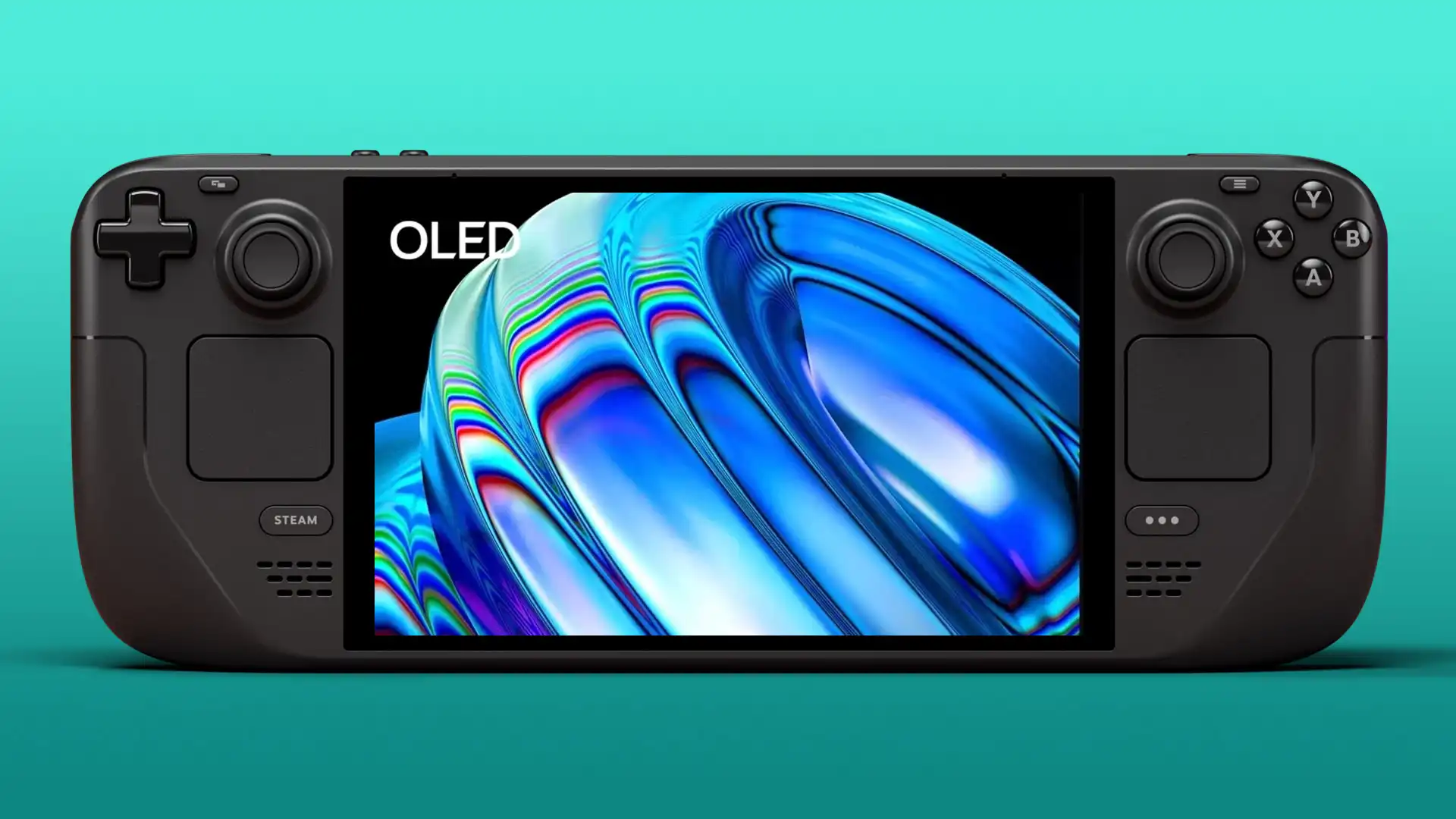
Valve
Valve Steam Deck OLED
$549Cheaper
Released 2023-11
Best Game Consoles · head-to-head
A sourced, side-by-side comparison. Valve Steam Deck OLED is cheaper at $549. Every spec and price links to its source.
Valve
$549Cheaper
Released 2023-11
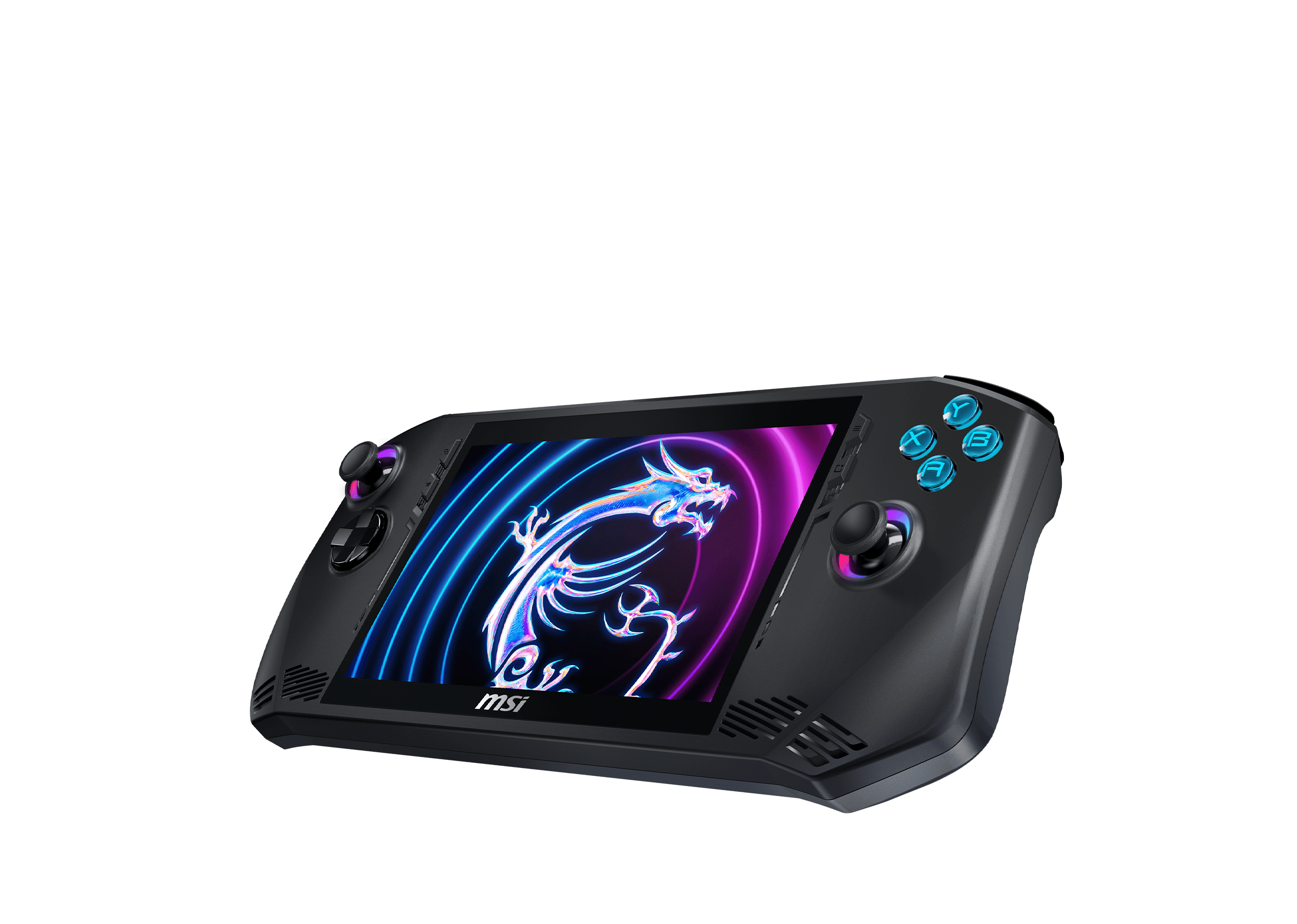
MSI
$699
Released 2024-03
The MSI Claw A1M wins 2 of the 2 specs we compare head to head; the other wins 0. The Valve Steam Deck OLED is the cheaper at $549. Get the MSI Claw A1M for the stronger spec sheet, the Valve Steam Deck OLED to spend less.
As an Amazon Associate we earn from qualifying purchases. Prices verified at capture; live price may differ.
The numbers that decide it, drawn to scale — longer bar wins, the accent bar is the stronger figure.
✓ marks the stronger figure where "more" — or "less", for price and weight — is unambiguously better.
| Spec | Valve Steam Deck OLED | MSI Claw A1M |
|---|---|---|
| US price | $549 | $699 |
| Brand | Valve | MSI |
| Released | 2023-11 | 2024-03 |
| CPU | Custom AMD Sephiroth APU (Zen 2 quad-core @ 2.4–3.5 GHz, 6nm) | Intel Core Ultra 5 135H (Meteor Lake @ up to 4.6 GHz) |
| GPU (TFLOPS) | 1.6 | 4.5 |
| RAM (GB) | 16 | 16 |
| Storage (GB) | 512 | 512 |
| Max resolution | 1280x800 | 1920x1080 |
| Max (fps) | 90 | 120 |
| Optical drive | No | No |
| Release | 2023-11 | 2024-03 |
Sources — Valve Steam Deck OLED: en.wikipedia.org (verified 2026-06-15). MSI Claw A1M: en.wikipedia.org (verified 2026-06-15).
Where the two actually differ on the specs we track (4 of 7). Matching specs are omitted.
Sourced tester consensus for each — the "what people who used it think" layer, not just specs.
Three whitelisted testers with hands-on lab measurements — Tom's Hardware, Tom's Guide and Engadget — agree the Steam Deck OLED is the definitive Steam Deck: the brighter OLED/HDR screen (measured ~597 nits SDR, ~969 nits HDR) and longer battery are genuine wins, but gaming performance is essentially unchanged from the LCD and the chassis stays bulky. (3 sourced reviews, 3 lab-tested.)
Praised: Bright, vibrant OLED/HDR display (measured ~597 nits SDR, ~969 nits HDR); Lighter, more comfortable-to-hold chassis (about 30g lighter); Cooler, better-managed thermals without extra fan noise.
Flagged: Gaming performance essentially unchanged from the LCD model; Large, bulky form factor unchanged from the original; Battery still drains fast in demanding HDR titles.
Four whitelisted testers (Notebookcheck, Engadget and Digital Trends full reviews, plus a Tom's Guide hands-on) broadly agree the Intel-based Claw A1M is overpriced versus cheaper AMD rivals like the ROG Ally and Legion Go, while praising its ergonomics, Hall-effect sticks and bright 120Hz 1080p display. The three full reviews fault its gaming performance and clunky MSI Center software / immature Intel drivers; Notebookcheck and Digital Trends also flag weak battery life, though Engadget rated battery 'decent'. Tom's Guide found raw performance roughly on par with rivals and blamed the software above all. (4 sourced reviews, 4 lab-tested.)
Praised: Comfortable ergonomics, good to hold; Bright, colorful 120Hz 1080p display; Quality Hall-effect joysticks/triggers and solid build.
Flagged: Gaming performance trails cheaper AMD rivals and doesn't justify the price; Clunky/buggy MSI Center software and immature Intel drivers; Overpriced versus ROG Ally / Legion Go.