Lenovo
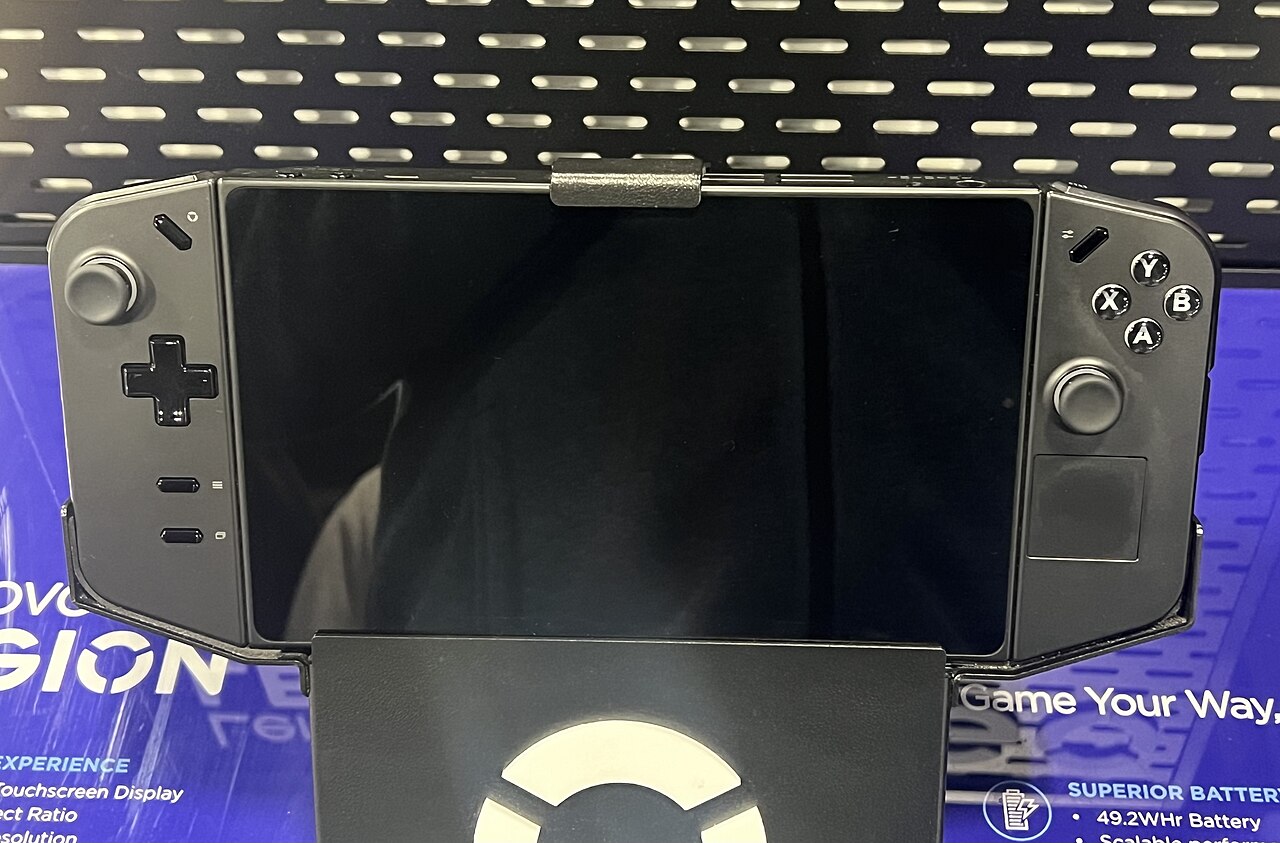
Lenovo Legion Go
$699Cheaper
Released 2023-10
Best Handheld Gaming Pcs · head-to-head
A sourced, side-by-side comparison. Lenovo Legion Go is cheaper at $699. Every spec and price links to its source.
Lenovo
$699Cheaper
Released 2023-10
MSI
$1299
Released 2025-01
The MSI Claw 8 AI+ wins 3 of the 4 specs we compare head to head; the other wins 1. The Lenovo Legion Go is the cheaper at $699. Get the MSI Claw 8 AI+ for the stronger spec sheet, the Lenovo Legion Go to spend less.
As an Amazon Associate we earn from qualifying purchases. Prices verified at capture; live price may differ.
The numbers that decide it, drawn to scale — longer bar wins, the accent bar is the stronger figure.
✓ marks the stronger figure where "more" — or "less", for price and weight — is unambiguously better.
| Spec | Lenovo Legion Go | MSI Claw 8 AI+ |
|---|---|---|
| US price | $699 | $1299 |
| Brand | Lenovo | MSI |
| Released | 2023-10 | 2025-01 |
| Chip | AMD Ryzen Z1 Extreme (Zen 4, 8c/16t, RDNA 3 12CU) | Intel Core Ultra 7 258V (Intel Arc 140V iGPU, 8 Xe2 cores) |
| Screen (in) | 8.8 in | 8.0 in |
| Screen resolution | 2560x1600 | 1920x1200 |
| Refresh (Hz) | 144 | 120 |
| Battery (Wh) | 49.2 | 80 |
| RAM (GB) | 16 | 32 |
| Weight (g) | 854 | 795 |
| OS | Windows 11 Home | Windows 11 Home |
| Release | 2023-10 | 2025-01 |
Sources — Lenovo Legion Go: en.wikipedia.org (verified 2026-06-15). MSI Claw 8 AI+: msi.com (verified 2026-06-15).
Where the two actually differ on the specs we track (7 of 8). Matching specs are omitted.
Sourced tester consensus for each — the "what people who used it think" layer, not just specs.
Three whitelisted testers (Tom's Hardware, Tom's Guide, TechRadar) hands-on-reviewed the original Z1 Extreme Legion Go in late 2023. All praise its big, bright 8.8-inch 144Hz display and versatile detachable controllers, but flag weak battery life. It uses an IPS panel, not OLED like the rival Steam Deck OLED. (3 sourced reviews, 3 lab-tested.)
Praised: Large, bright 8.8-inch 144Hz display with vivid, well-saturated colors (~476 nits measured); Versatile design: detachable controllers, sturdy full-length kickstand, dual USB-C ports; Capable Z1 Extreme performance for AAA and esports titles once settings are tuned.
Flagged: Poor battery life — roughly a few hours per charge, under 2 hours while gaming; Native 2560x1600 resolution is impractical for games; usable lower resolutions look muddy on the big screen; Clumsy to navigate Windows 11 with the controllers.
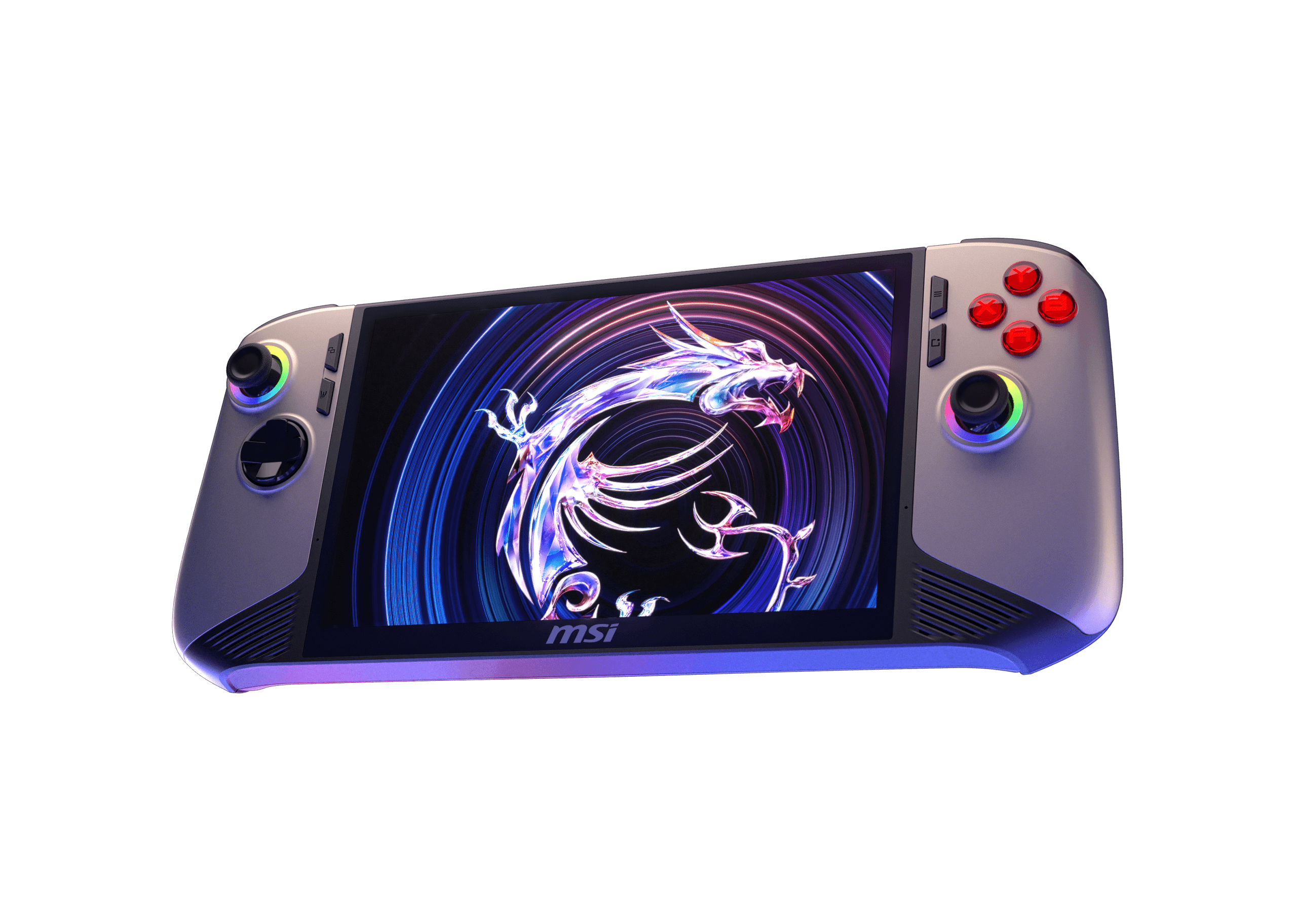
Three whitelisted testers — Tom's Guide, Engadget and Notebookcheck — hands-on-tested this exact Lunar Lake (Core Ultra 7 258V) MSI Claw 8 AI+ and broadly recommend it: performance roughly 10-15% ahead of the ROG Ally X, a big bright 8-inch 120Hz screen and one of the largest 80Wh batteries in the category. All three flag the $899 price; two call Windows 11 clunky on a handheld. Excludes the newer Claw 8 EX AI+. (3 sourced reviews, 3 lab-tested.)
Praised: Strong performance, roughly 10-15% ahead of AMD rivals like the ROG Ally X; Large, bright 8-inch 120Hz IPS display (with VRR); Large 80Wh battery, among the largest in the category.
Flagged: Expensive at $899, edging into gaming-laptop territory; Windows 11 stays clunky on a handheld touchscreen; Large and heavy (1.75 lb / 793 g), can feel too big for smaller hands.