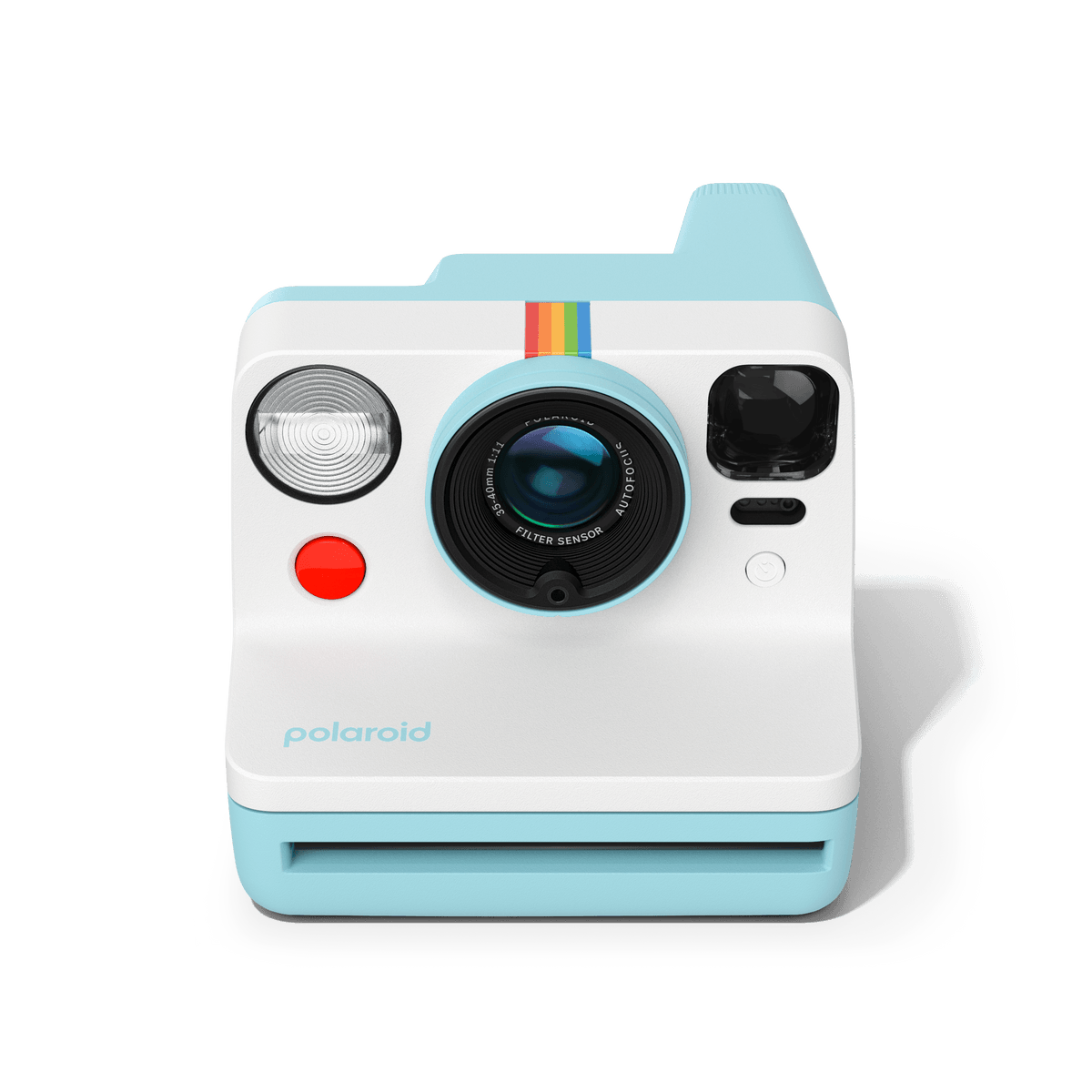
Polaroid
Polaroid Now Gen 3
$119.99
Released 2025-03
Best Instant Cameras · head-to-head
A sourced, side-by-side comparison. Kodak Smile Instant Print Camera is cheaper at $99.99. Every spec and price links to its source.
Polaroid
$119.99
Released 2025-03
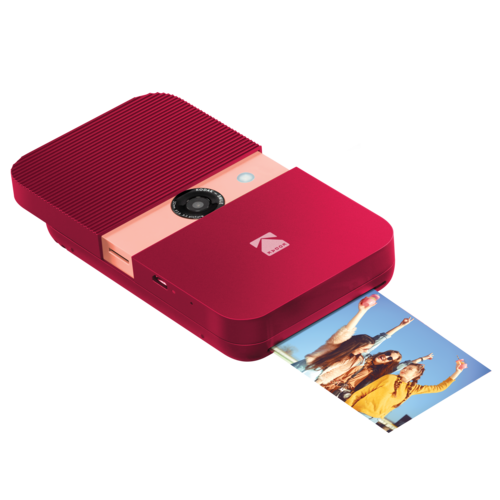
Kodak
$99.99Cheaper
On the specs we track, they're closely matched. The Kodak Smile Instant Print Camera is the cheaper at $99.99.
As an Amazon Associate we earn from qualifying purchases. Prices verified at capture; live price may differ.
✓ marks the stronger figure where "more" — or "less", for price and weight — is unambiguously better.
| Spec | Polaroid Now Gen 3 | Kodak Smile Instant Print Camera |
|---|---|---|
| US price | $119.99 | $99.99 |
| Brand | Polaroid | Kodak |
| Released | 2025-03 | — |
| Film format | i_type | zink |
| Hybrid digital | No | Yes |
| Built in screen | No | Yes |
| Selfie mirror | No | — |
| Self timer | Yes | Yes |
| Rechargeable battery | Yes | Yes |
| Weight (oz) | 15.8 | — |
| Release year | 2025 | — |
Sources — Polaroid Now Gen 3: press.polaroid.com (verified 2026-06-19). Kodak Smile Instant Print Camera: kodakphotoplus.com (verified 2026-09-21).
Where the two actually differ on the specs we track (3 of 7). Matching specs are omitted.
Sourced tester consensus for each — the "what people who used it think" layer, not just specs.
Only one whitelisted tester, PCMag, has verified hands-on time with a Now Generation 3 camera. Its review covers the app-connected Now+ Generation 3, which the reviewer calls physically identical to the base Now apart from Bluetooth, and it explicitly declines to review the base Now separately. PCMag praises the large I-Type prints, especially the black-and-white film, but flags unpredictable, pricey color film plus basic lens, autofocus and metering. (1 sourced review, 1 lab-tested.)
Praised: Large I-Type square prints, and especially the black-and-white film, deliver excellent contrast and nostalgic appeal; Built-in USB-C battery rated for about 15 packs of film (120 photos) and holds a charge well between uses; Built-in tripod socket plus simple one-button operation.
Flagged: Color I-Type film is unpredictable, shifts color in cold/hot weather, and costs about $2 per shot; Lens, autofocus and metering are basic; no on-body EV compensation, so exposure control requires the phone app; Creative filters are no longer bundled with Gen 3 (sold separately for $19.99).
Two hands-on reviews cover this camera: Tom's Guide (July 2019, with timed measurements) and Digital Trends (April 2023, reviewing the Smile printer and camera together). Both credit the slide-open design, the roughly $99-$100 price and the fact that you choose which shots get printed. Both fault the digital image quality and the gap between the marketed megapixel figure and what the sensor actually delivers, and both note Zink prints lose detail and skew color. (2 sourced reviews, 2 lab-tested.)
Praised: Slide-out panel doubles as the power switch and makes the camera simple enough for a child to operate unaided; Inexpensive for a pocketable instant camera at roughly $99-$100 (Digital Trends lists MSRP $99.99 and calls the plastic body surprisingly sturdy for the money); Does not print every shot by default, so you stay selective about what gets committed to costly Zink paper.
Flagged: Digital image quality is poor and the real sensor resolution falls short of the marketed megapixel claim (Tom's Guide measured 854 x 640 files; Digital Trends found the advertised 10MP is a 5MP sensor upscaled by interpolation); Zink prints lose detail and skew color — pink cast on Tom's Guide's test shot, magenta/yellow skew and dark shadows for Digital Trends, which blames the Zink medium rather than this camera specifically; Rear LCD is less than an inch and a half wide, low resolution, and hard to read off-angle.