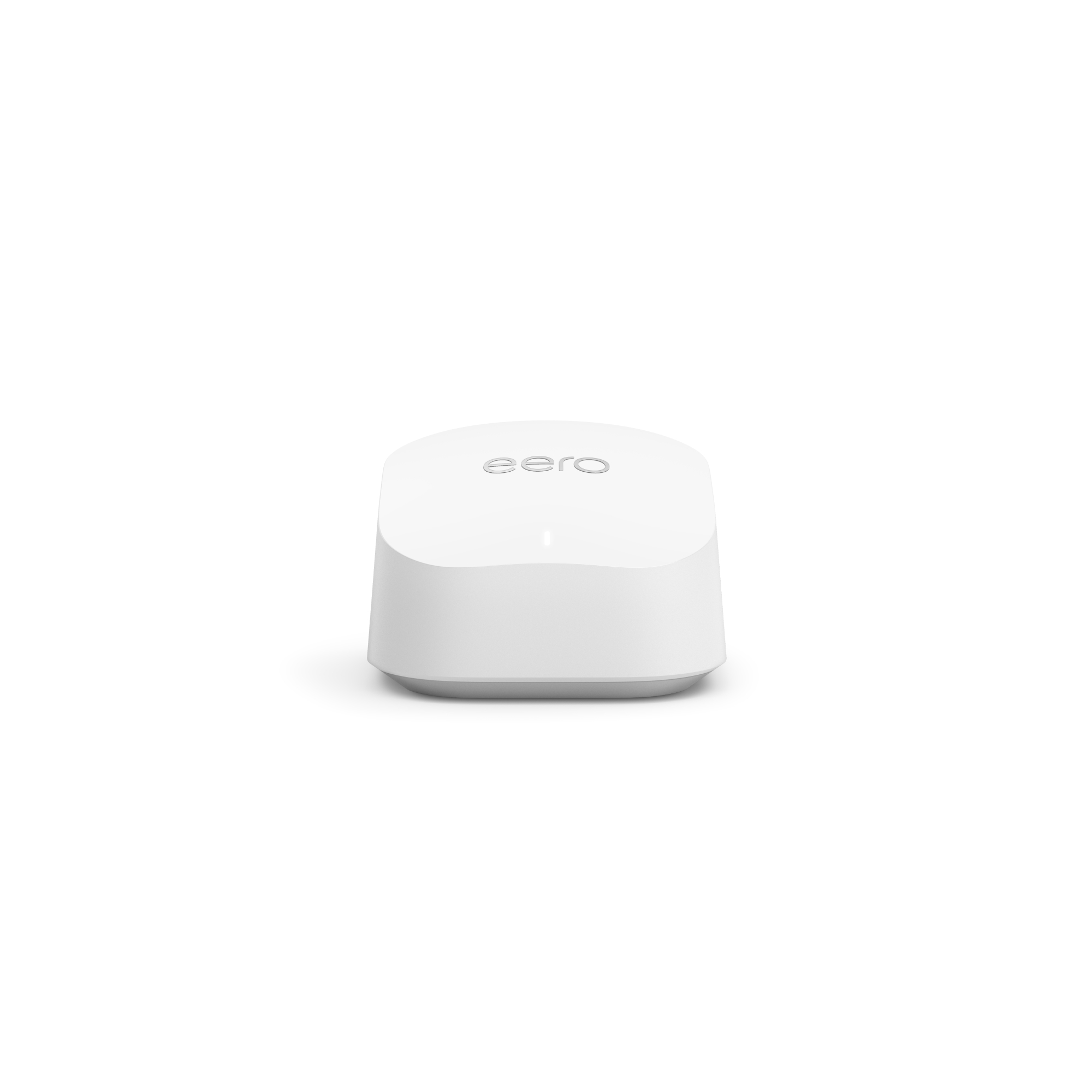
Amazon eero
Amazon eero 6+ (3-pack)
$139.99Cheaper
Released 2022-03
Best Mesh Wi-Fi Systems · head-to-head
A sourced, side-by-side comparison. Amazon eero 6+ (3-pack) is cheaper at $139.99. Every spec and price links to its source.
Amazon eero
$139.99Cheaper
Released 2022-03
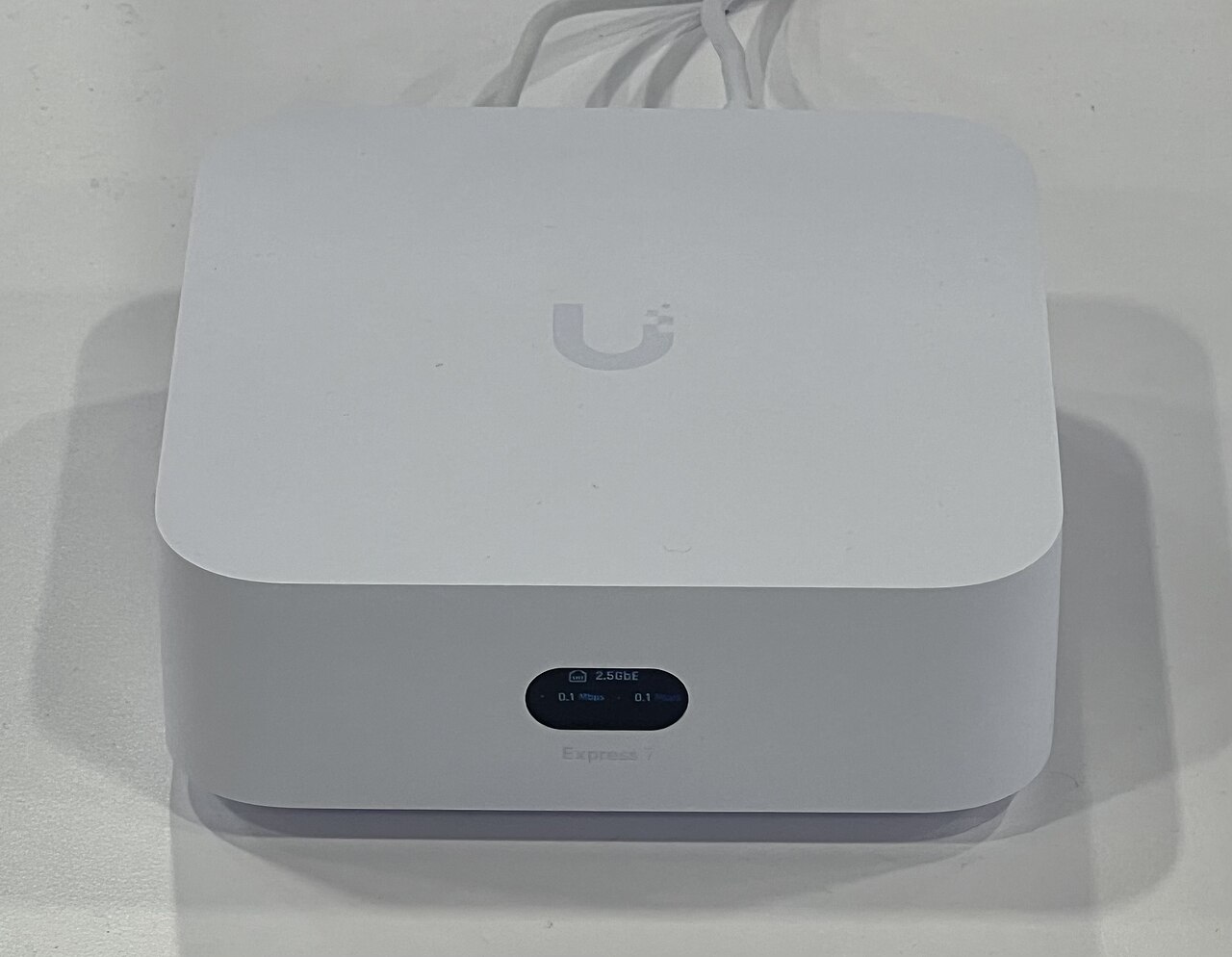
Ubiquiti
$149
Released 2023-11
The Ubiquiti UniFi Express (UX) wins 1 of the 1 specs we compare head to head; the other wins 0. The Amazon eero 6+ (3-pack) is the cheaper at $139.99. Get the Ubiquiti UniFi Express (UX) for the stronger spec sheet, the Amazon eero 6+ (3-pack) to spend less.
As an Amazon Associate we earn from qualifying purchases. Prices verified at capture; live price may differ.
The numbers that decide it, drawn to scale — longer bar wins, the accent bar is the stronger figure.
✓ marks the stronger figure where "more" — or "less", for price and weight — is unambiguously better.
| Spec | Amazon eero 6+ (3-pack) | Ubiquiti UniFi Express (UX) |
|---|---|---|
| US price | $139.99 | $149 MSRP |
| Brand | Amazon eero | Ubiquiti |
| Released | 2022-03 | 2023-11 |
| Wi-Fi standard | wifi_6 | wifi_6 |
| Max speed (Gbps) | 1 | 2.97 |
| Bands | dual | dual |
| Coverage sqft per pack | 4500 | 1500 |
| Ethernet ports per unit | 2 | 2 |
| Pack size | 3 | 1 |
| Dedicated backhaul | No | No |
| Release | 2022 | 2023 |
Sources — Amazon eero 6+ (3-pack): eero.com (verified 2026-06-19). Ubiquiti UniFi Express (UX): techspecs.ui.com (verified 2026-06-19).
Where the two actually differ on the specs we track (3 of 7). Matching specs are omitted.
Sourced tester consensus for each — the "what people who used it think" layer, not just specs.
Two whitelisted sources carry eero 6+ prose. TechRadar's 2023 hands-on found it fast, reliable and competitively priced, faulting dual-band-only hardware, a basic app and subscription-gated parental controls. Wirecutter's May 2026 guide never lab-tested the 6+ — it cites a staff writer's “strong, solid” back-room result and relegates the model to its competition section behind the Eero 7. (2 sourced reviews, 1 lab-tested.)
Praised: Reliable real-world coverage — fast enough for sub-gigabit broadband and for a back room a range extender could not reach; Competitively priced, especially the three-pack for larger homes; Very easy to set up and use — the app walks you through setup in a few minutes and the system picks the fastest band automatically.
Flagged: Parental controls, ad blocking and app blocking require the paid Eero Plus subscription ($9.99/month or $99.99/year after a 30-day trial); Dual-band only and mid-range by Wi-Fi 6 standards — TechRadar tells gamers to prefer tri-band or Wi-Fi 6E; The Eero app is basic: it merges the 2.4GHz and 5GHz bands into one network and offers little detail or control for advanced users.
Coverage of this exact Wi-Fi 6 UniFi Express (UX) from a whitelisted outlet is limited to a single hands-on piece by StorageReview, which deployed the $149 unit as a WireGuard travel router linking home and office networks. The verdict is favourable - affordable, versatile, and stable in the field once running - with one setup snag: the default network's IP range collided with the host router's subnet. No lab benchmarks were produced. (1 sourced review.)
Praised: Affordable and versatile all-in-one gateway plus Wi-Fi 6 access point at $149; Ran stably in real-world field deployment once configured; Deep UniFi ecosystem integration: WireGuard VPN client, policy-based routing, per-VLAN SSIDs.
Flagged: Default network IP range collided with the host router's subnet, requiring a reset and VPN reconfiguration.