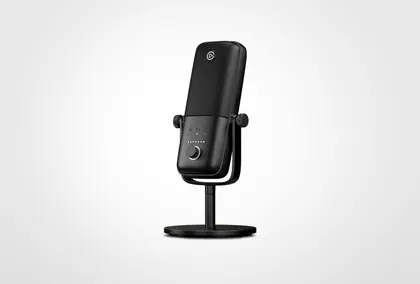
Elgato
Elgato Wave:3 MK.2
$169.99Cheaper
Best Microphones · head-to-head
A sourced, side-by-side comparison. Elgato Wave:3 MK.2 is cheaper at $169.99. Every spec and price links to its source.
Elgato
$169.99Cheaper
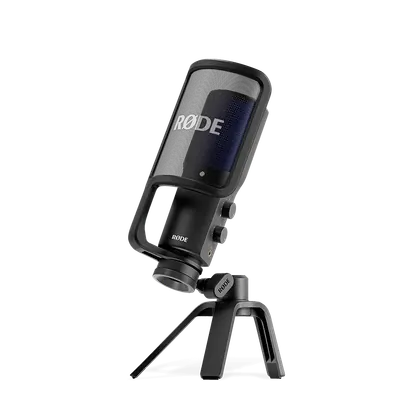
Rode
$179
Released 2022
On the specs we track, they're closely matched. The Elgato Wave:3 MK.2 is the cheaper at $169.99.
As an Amazon Associate we earn from qualifying purchases. Prices verified at capture; live price may differ.
✓ marks the stronger figure where "more" — or "less", for price and weight — is unambiguously better.
| Spec |  Elgato Wave:3 MK.2 |  Rode NT-USB+ |
|---|---|---|
| US price | $169.99 | $179 |
| Brand | Elgato | Rode |
| Released | — | 2022 |
| Connectivity | USB-C | USB-C |
| Polar pattern | cardioid | cardioid |
| Type | condenser | condenser |
| Sample rate (kHz) | 48 | — |
| Bit depth | 24 | — |
| Headphone jack | Yes | Yes |
| Mute button | Yes | — |
| Mount | included desk stand; 1/4" thread adapter (3/8" and 5/8" adapters included) | included desktop tripod stand |
| Release | — | 2022 |
Sources — Elgato Wave:3 MK.2: elgato.com (verified 2026-11-05). Rode NT-USB+: rode.com (verified 2026-11-05).
Where the two actually differ on the specs we track (1 of 8). Matching specs are omitted.
Sourced tester consensus for each — the "what people who used it think" layer, not just specs.
Across 3 testing outlets, the Elgato Wave:3 MK.2 lands as a well-regarded but not universally praised USB mic. GIGAZINE and MediaBerry both found the sound clean and polished with minimal setup effort, and MediaBerry called it 'a very easy recommendation,' while Stream Tech Reviews pushed back, describing the sound as sharp and harsh in the highs despite being detailed. Build quality draws mixed but non-damning notes across outlets — a mostly plastic body with a metal grille/upper section that doesn't feel cheap. The bundled Wave Link software and Clipguard 2.0 anti-distortion processing were called out as standout strengths. (3 sourced reviews, 3 lab-tested.)
Praised: Clean, polished, natural-sounding audio with little setup effort; Strong hardware paired with the Wave Link software experience; Clipguard 2.0's 32-bit float processing effectively prevents distortion even when gain is maxed out.
Flagged: Sound can come across as sharp/harsh in the high frequencies; Body is mostly plastic, feeling less premium than an all-metal build (though not cheap).
Only one whitelisted tester, Tom's Hardware, published a genuine hands-on review of the exact NT-USB+; it names the mic an Editor's Choice for rich, low-noise vocals and a sturdy build, but flags no on-mic gain control and clipping on louder sources. No lab-measured numbers were reported. (1 sourced review, 1 lab-tested.)
Praised: Rich, detailed vocals with very little self-noise; Sturdy, well-built metal body with included detachable pop filter; USB-C plus zero-latency headphone monitoring; one of the better-sounding USB mics tested.
Flagged: No on-mic gain control or mute; Still clips on louder audio sources; Studio-quality but not high-res (24-bit/48kHz).