
Canon
Canon EOS R6 Mark II
$2499
Released 2022-12
Best Mirrorless Cameras · head-to-head
A sourced, side-by-side comparison. OM System OM-1 is cheaper at $2199. Every spec and price links to its source.
Canon
$2499
Released 2022-12
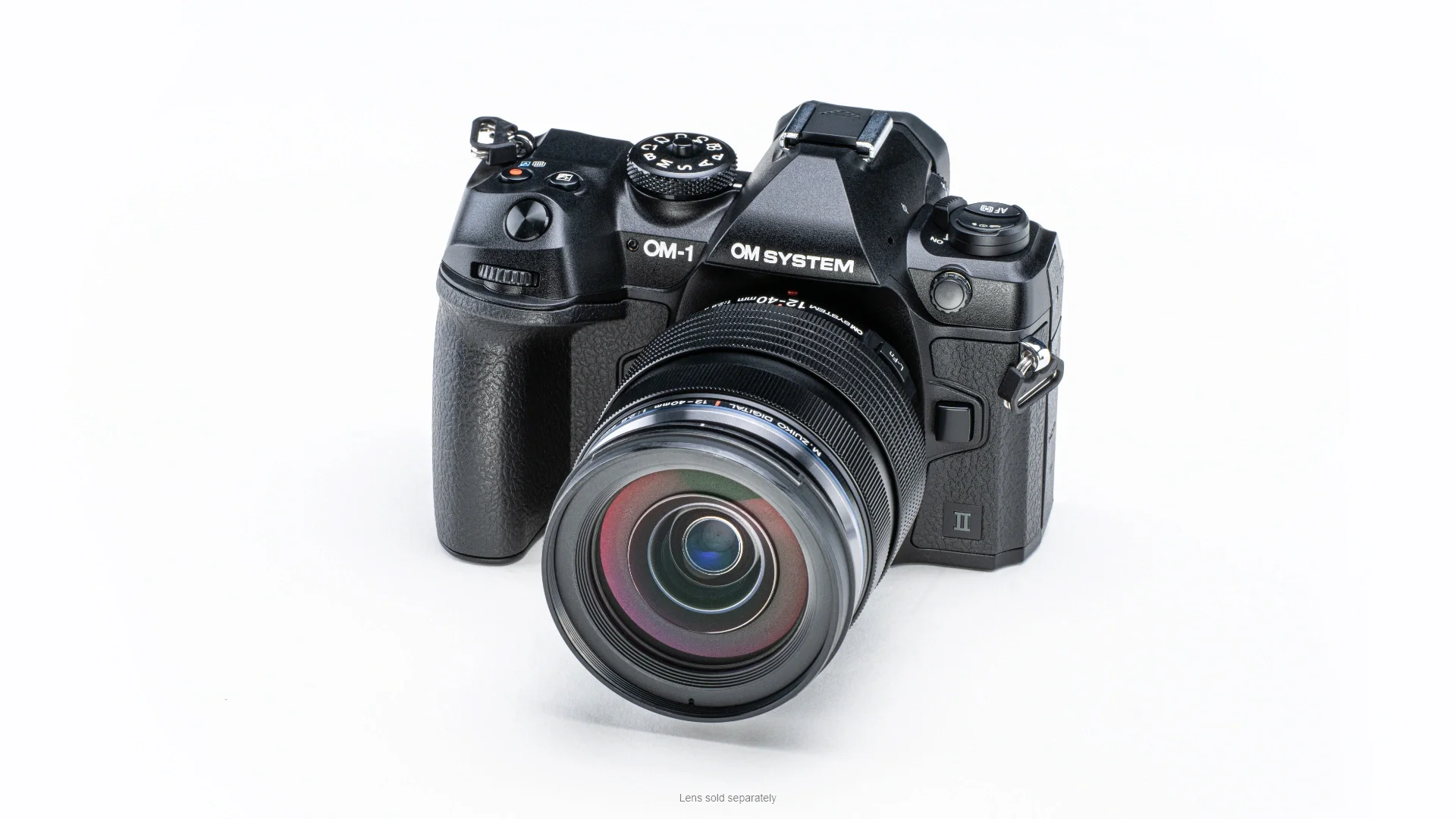
OM System
$2199Cheaper
Released 2022-03
The OM System OM-1 wins 2 of the 2 specs we compare head to head; the other wins 0. The OM System OM-1 is the cheaper at $2199. The OM System OM-1 both leads on specs and costs less — the straightforward pick.
As an Amazon Associate we earn from qualifying purchases. Prices verified at capture; live price may differ.
The numbers that decide it, drawn to scale — longer bar wins, the accent bar is the stronger figure.
✓ marks the stronger figure where "more" — or "less", for price and weight — is unambiguously better.
| Spec | Canon EOS R6 Mark II | OM System OM-1 |
|---|---|---|
| US price | $2499 | $2199 |
| Brand | Canon | OM System |
| Released | 2022-12 | 2022-03 |
| Sensor format | Full-frame | Micro Four Thirds |
| Megapixels | 24.2 | 20.4 |
| Max video | 4K@60p | 4K@60p |
| Ibis | Yes | Yes |
| Mount | Canon RF | Micro Four Thirds |
| Continuous (fps) | 40 | 50 |
| Weight (g) | 670 | 599 |
| Release | 2022-12 | 2022-03 |
Sources — Canon EOS R6 Mark II: usa.canon.com (verified 2026-06-15). OM System OM-1: explore.omsystem.com (verified 2026-06-15).
Where the two actually differ on the specs we track (5 of 7). Matching specs are omitted.
Sourced tester consensus for each — the "what people who used it think" layer, not just specs.
Both whitelisted hands-on testers (TechRadar, Tom's Guide) rate the R6 Mark II a top-tier hybrid: excellent deep-learned subject/eye-tracking autofocus, clean high-ISO images and 40fps electronic-shutter bursts with a deep buffer. Both flag its high price and modest 24MP resolution. They split on stabilization: Tom's Guide reports the full 8 stops and lists it as a pro, whereas TechRadar measured only ~4 usable stops at 105mm and found the IBIS unconvincing, especially for video. (2 sourced reviews, 2 lab-tested.)
Praised: Excellent deep-learned autofocus and subject/eye tracking; Clean, low-noise image quality at very high ISO; Fast 40fps electronic-shutter burst with deep buffer.
Flagged: Expensive relative to rivals (Sony A7 IV, Lumix S5 II, Nikon Z6 II); Modest 24MP resolution, unremarkable for a full-frame camera; IBIS falls short of the claimed 8 stops and struggles with video camera movement.
Both whitelisted testers rate the OM-1 a strong, rugged Micro Four Thirds flagship: RTINGS calls it a very well-built, weather-sealed body with excellent ergonomics, an incredibly quick electronic-shutter burst, and one of the best IBIS systems; DPReview lab-tested 50 fps AF, 1,053 cross-type AF points and gave it a Gold Award. Main flaw: buffer clears slowly. (2 sourced reviews, 2 lab-tested.)
Praised: Class-leading in-body image stabilization; Rugged, weather-sealed, well-built body with excellent ergonomics; Very fast electronic-shutter burst shooting with strong AF/subject detection.
Flagged: Large photo buffer takes a very long time to empty once full; Smaller sensor still trails larger formats on absolute image quality.