
Google Nest Cam (Battery)
$179.99
Released 2021-08
Best Security Cameras · head-to-head
A sourced, side-by-side comparison. TP-Link Tapo C120 is cheaper at $39.99. Every spec and price links to its source.
$179.99
Released 2021-08
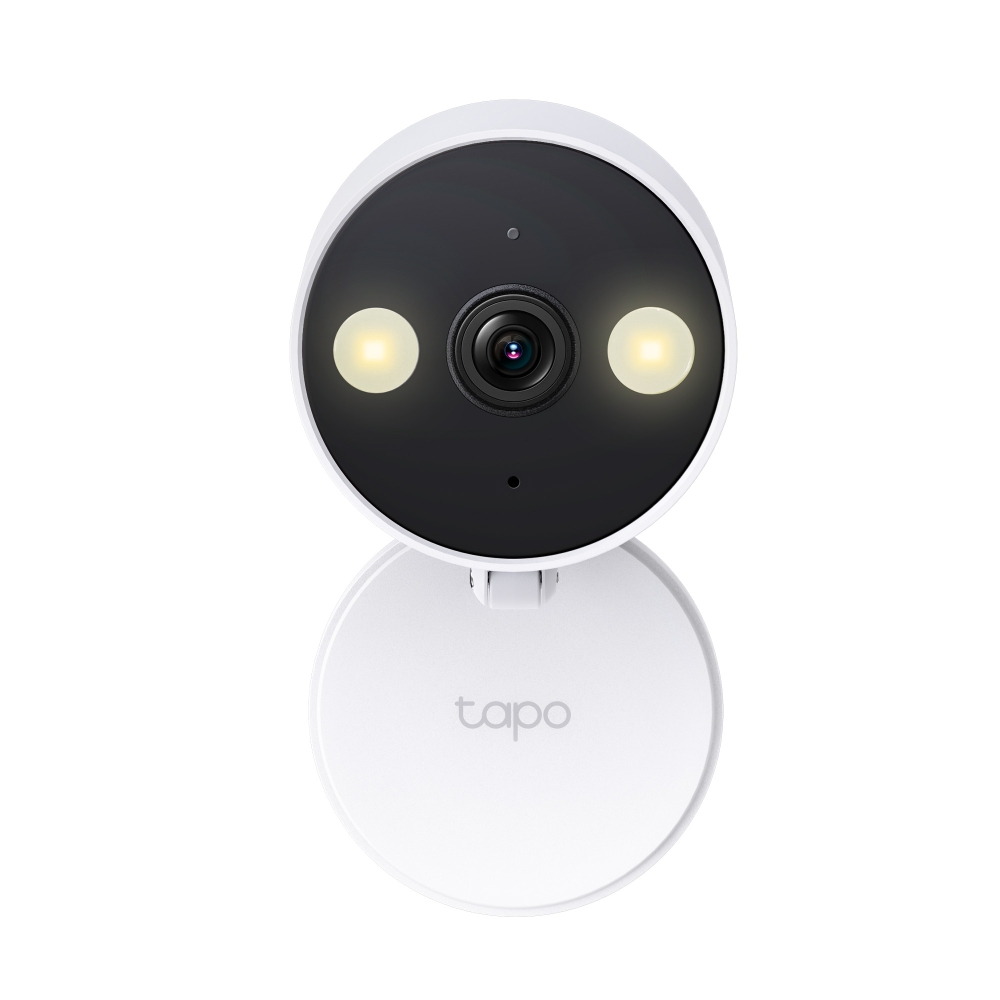
TP-Link
$39.99Cheaper
Released 2023-11
On the specs we track, they're closely matched. The TP-Link Tapo C120 is the cheaper at $39.99.
As an Amazon Associate we earn from qualifying purchases. Prices verified at capture; live price may differ.
✓ marks the stronger figure where "more" — or "less", for price and weight — is unambiguously better.
| Spec | Google Nest Cam (Battery) | TP-Link Tapo C120 |
|---|---|---|
| US price | $179.99 | $39.99 |
| Brand | TP-Link | |
| Released | 2021-08 | 2023-11 |
| Resolution | 1920x1080 (1080p HDR) | 2560x1440 (2K QHD, 4 MP) |
| Indoor outdoor | Yes | Yes |
| Power | Built-in rechargeable Li-ion battery (6 Ah); optional weatherproof USB-C cable | Wired — 5 V DC adapter (100–240 V input, 9.8 ft USB-C cable included) |
| Field of view (°) | 130 | 120 |
| Local storage | Yes | Yes |
| Cloud subscription | free-tier-included | optional |
| Night vision | IR (6x 850 nm LEDs, up to 20 ft); no color night vision on this model | Dual: IR (850 nm + 940 nm LEDs, 30 ft) and full-color via dual spotlights and starlight sensor |
| Release | 2021-08 | 2023-11 |
Sources — Google Nest Cam (Battery): support.google.com (verified 2026-06-15). TP-Link Tapo C120: tp-link.com (verified 2026-06-15).
Where the two actually differ on the specs we track (5 of 7). Matching specs are omitted.
Sourced tester consensus for each — the "what people who used it think" layer, not just specs.
Three hands-on testers (TechRadar, Tom's Guide, Reviewed) rate the 2021 Nest Cam (battery) - Google's retail 2nd-gen model - a top pick: sharp 1080p day and night video plus free person/animal/vehicle alerts and 3-hour video history without a subscription. All flag the non-removable battery's slow ~5-hour recharge; the Google-Home-only launch and easily-pulled magnetic mount also drew criticism. (3 sourced reviews, 3 lab-tested.)
Praised: Sharp, clear 1080p video in daylight and at night; Flexible battery power with quick, easy magnetic mounting; Free person/animal/vehicle alerts and 3-hour video history with no subscription.
Flagged: Built-in, non-removable battery leaves camera offline during its ~5-hour recharge; Google Home-only at launch; no Alexa, Siri or HomeKit support; No color night vision (black-and-white only).
Two whitelisted hands-on reviews (Tom's Guide, PCWorld/TechHive) rate the ~$40 Tapo C120 a standout budget pick: sharp 2K daytime video, free onboard AI detection with local storage and no required subscription, and color night vision via built-in spotlights. Both note the missing Apple HomeKit support; Tom's Guide flags a clipped microphone / weak two-way audio. PCWorld still ranks the Wyze Cam v3 Pro slightly ahead. Both reviews are observational; neither ran lab benchmarks. (2 sourced reviews, 2 lab-tested.)
Praised: Sharp, vibrant 2K daytime video; Free onboard AI detection and local storage with no required subscription; Color night vision via built-in spotlights.
Flagged: No Apple HomeKit support; Mediocre two-way audio / clipped microphone; No IFTTT support.