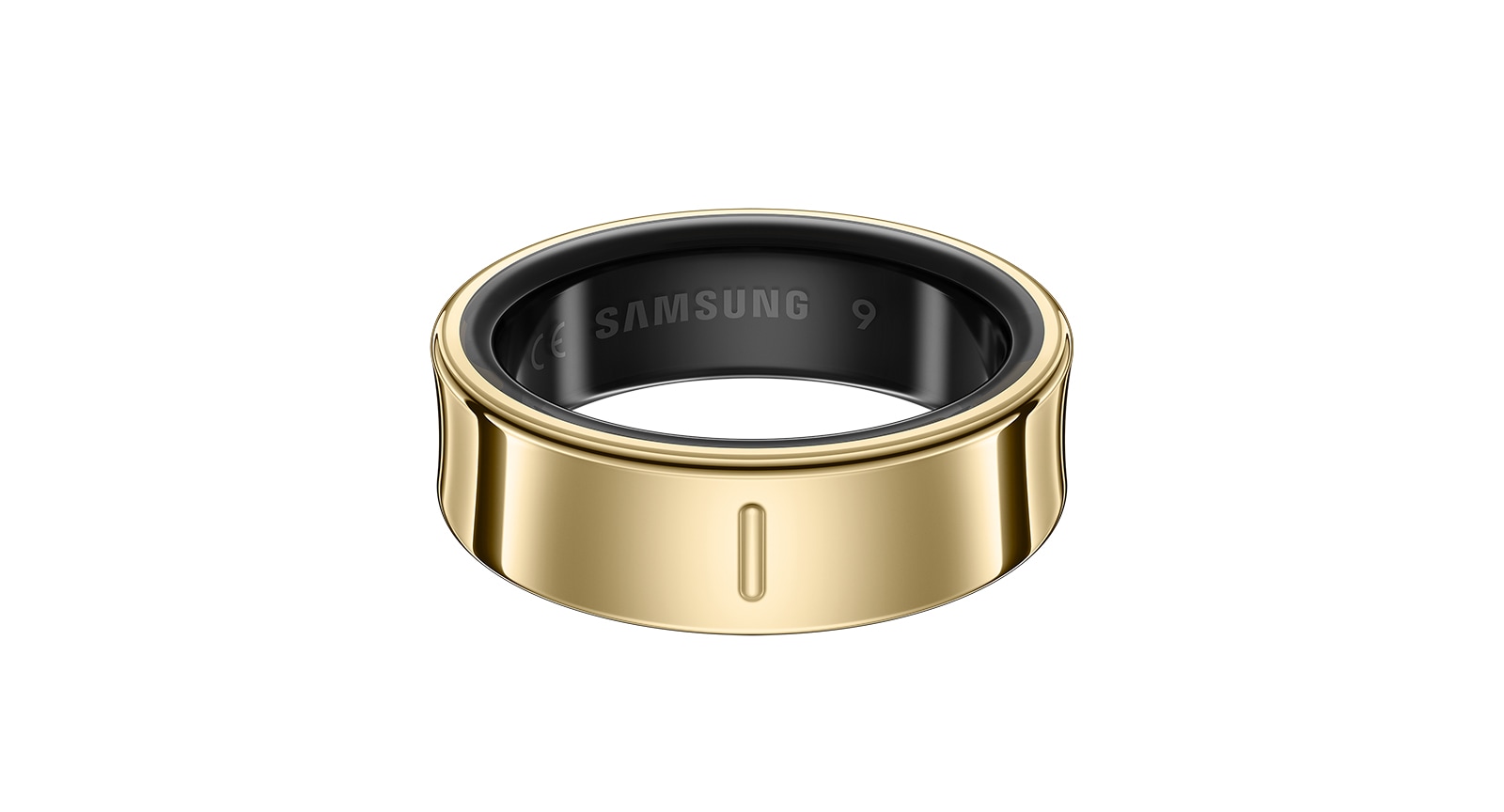
Samsung
Samsung Galaxy Ring
$399.99
Released 2024-07
Best Smart Rings · head-to-head
A sourced, side-by-side comparison. Ultrahuman Ring AIR is cheaper at $349. Every spec and price links to its source.
Samsung
$399.99
Released 2024-07
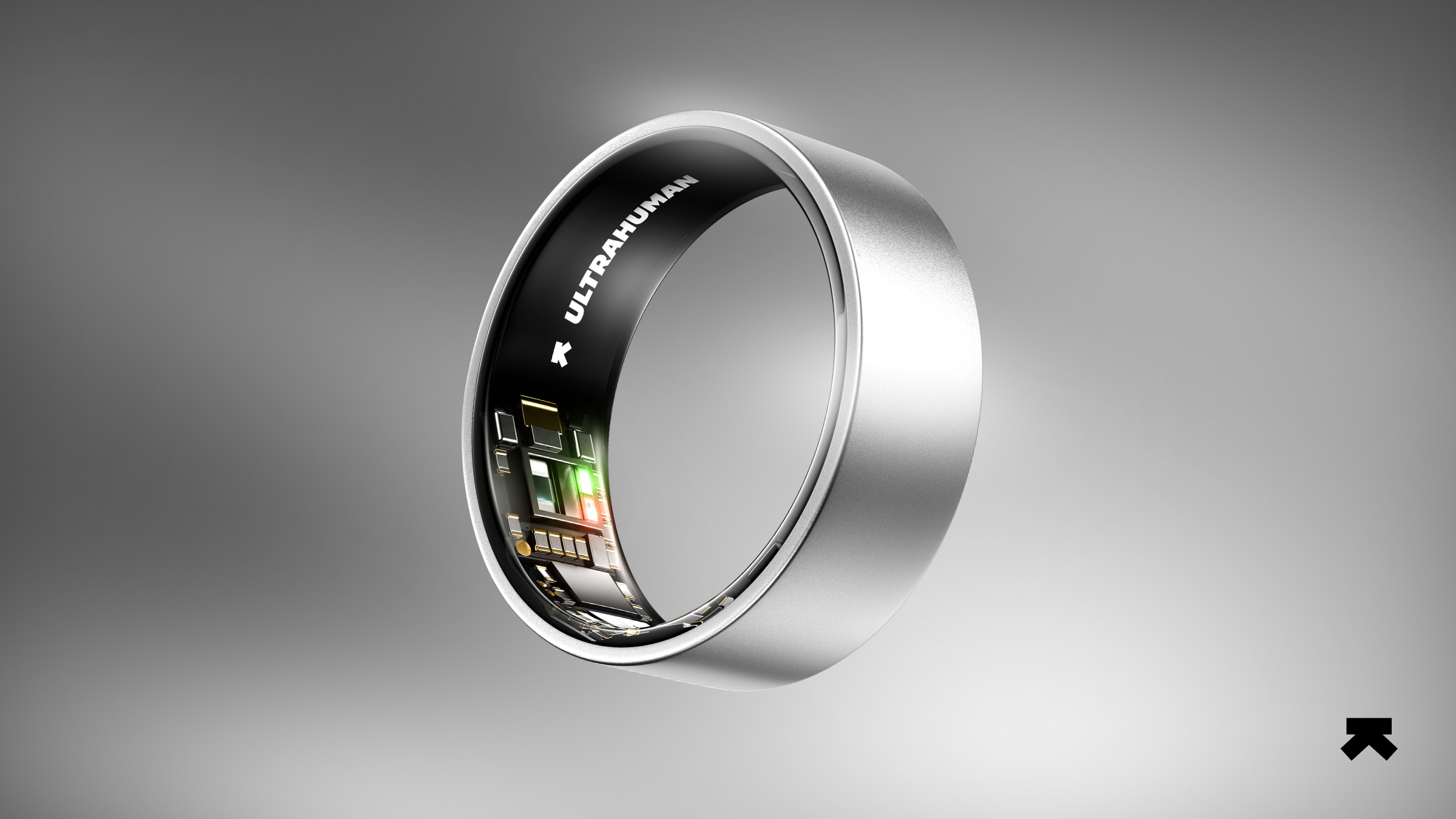
Ultrahuman
$349Cheaper
Released 2023-06
On the specs we track, they're closely matched. The Ultrahuman Ring AIR is the cheaper at $349.
As an Amazon Associate we earn from qualifying purchases. Prices verified at capture; live price may differ.
✓ marks the stronger figure where "more" — or "less", for price and weight — is unambiguously better.
| Spec | Samsung Galaxy Ring | Ultrahuman Ring AIR |
|---|---|---|
| US price | $399.99 | $349 |
| Brand | Samsung | Ultrahuman |
| Released | 2024-07 | 2023-06 |
| Material | Titanium (Titanium Black, Silver, Gold finishes) | Titanium outer shell with tungsten carbide carbon coating; medical-grade hypoallergenic inner layer |
| Weight (g) | 2.3-3.2 | 2.4-3.6 |
| Battery days | 7 | 6 |
| Spo2 | Yes | Yes |
| Temperature sensor | Yes | Yes |
| Ecg | No | No |
| Subscription required | No | No |
| Water resistance (m) | 100 | 100 |
Sources — Samsung Galaxy Ring: samsung.com (verified 2026-06-15). Ultrahuman Ring AIR: ultrahuman.com (verified 2026-09-21).
Where the two actually differ on the specs we track (3 of 8). Matching specs are omitted.
Sourced tester consensus for each — the "what people who used it think" layer, not just specs.
Four whitelisted testers (Engadget, Tom's Guide, TechRadar, GSMArena) wore it hands-on: a comfortable, lightweight sleep-and-wellness tracker with subscription-free Samsung Health and roughly 5-6 day battery. All flag the steep $399 price and reliance on a Samsung/Android phone; GSMArena found running tracking unreliable without GPS. Enthusiasm ranged from Editor's Choice to merely satisfactory. (4 sourced reviews, 4 lab-tested.)
Praised: Comfortable, lightweight, and easy to sleep with; No subscription fee — full Samsung Health access included; Long battery life, roughly 5-6 days, plus a multi-charge case.
Flagged: Steep price, more expensive than Oura and even the Galaxy Watch 7; Requires a Samsung/Android phone with Samsung Health; no iOS support; Weak workout tracking — only auto-logs walking/running, no GPS.
Two whitelisted testers (TechRadar, Digital Trends) each wore the Ring Air hands-on for a full month in August 2023 and agree it is exceptionally light, comfortable to wear 24/7, accurate against wrist wearables in side-by-side testing, and free of any subscription. Both also flag that it scratches within weeks of gym/daily wear and packs in a lot of data to comb through, though they split on how usable the app is. (2 sourced reviews, 2 lab-tested.)
Praised: Exceptionally light and comfortable to wear 24/7, including overnight; Health/sleep/heart-rate data tracks accurately vs wrist wearables in side-by-side testing; No monthly subscription fee, unlike Oura and Whoop.
Flagged: Titanium coating scratches within a few weeks of gym/daily wear; A lot of data to comb through; the app is data-dense; Expensive at $349.