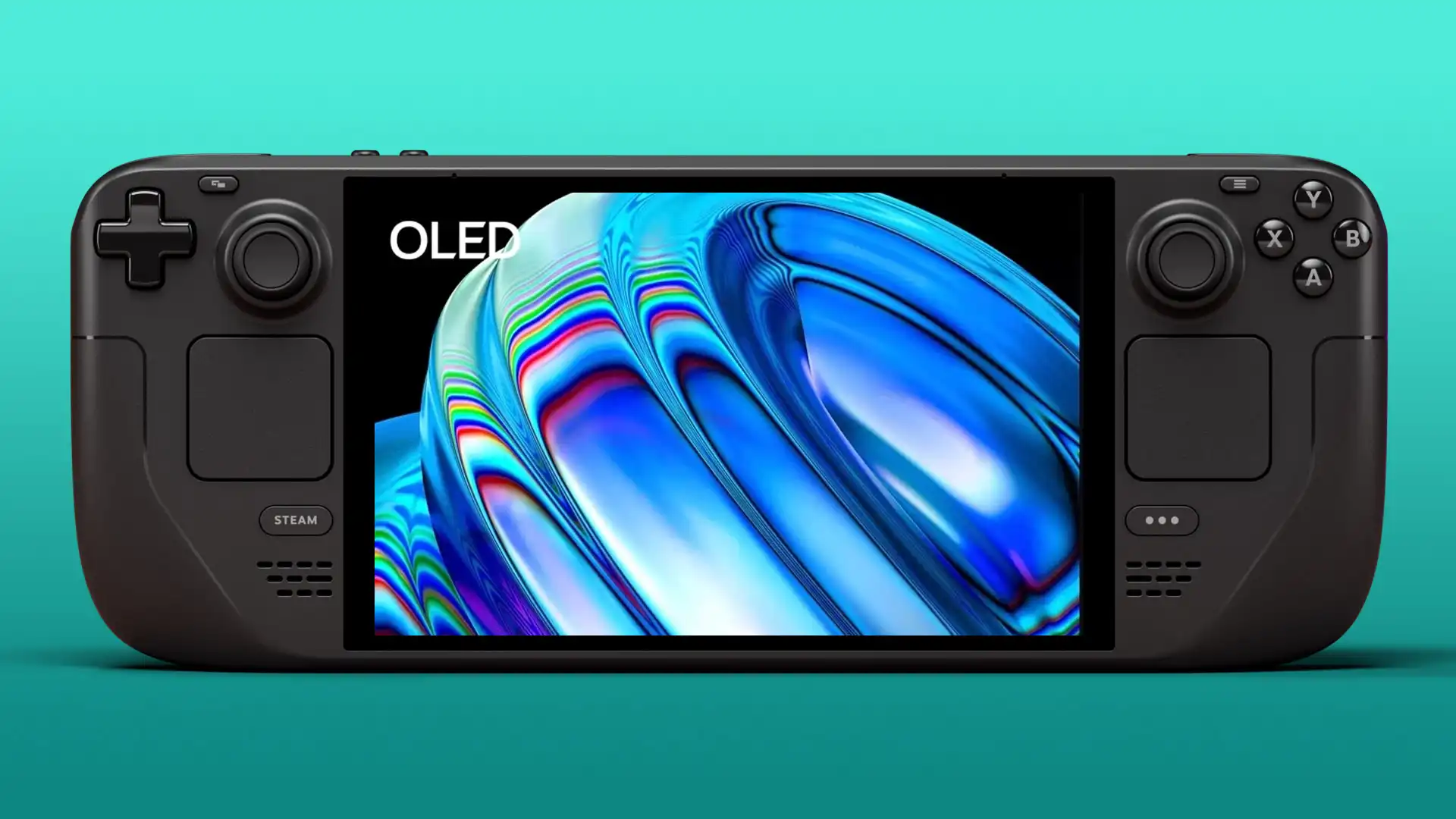
Valve
Valve Steam Deck OLED
$549Cheaper
Released 2023-11
Best Game Consoles · head-to-head
A sourced, side-by-side comparison. Valve Steam Deck OLED is cheaper at $549. Every spec and price links to its source.
Valve
$549Cheaper
Released 2023-11
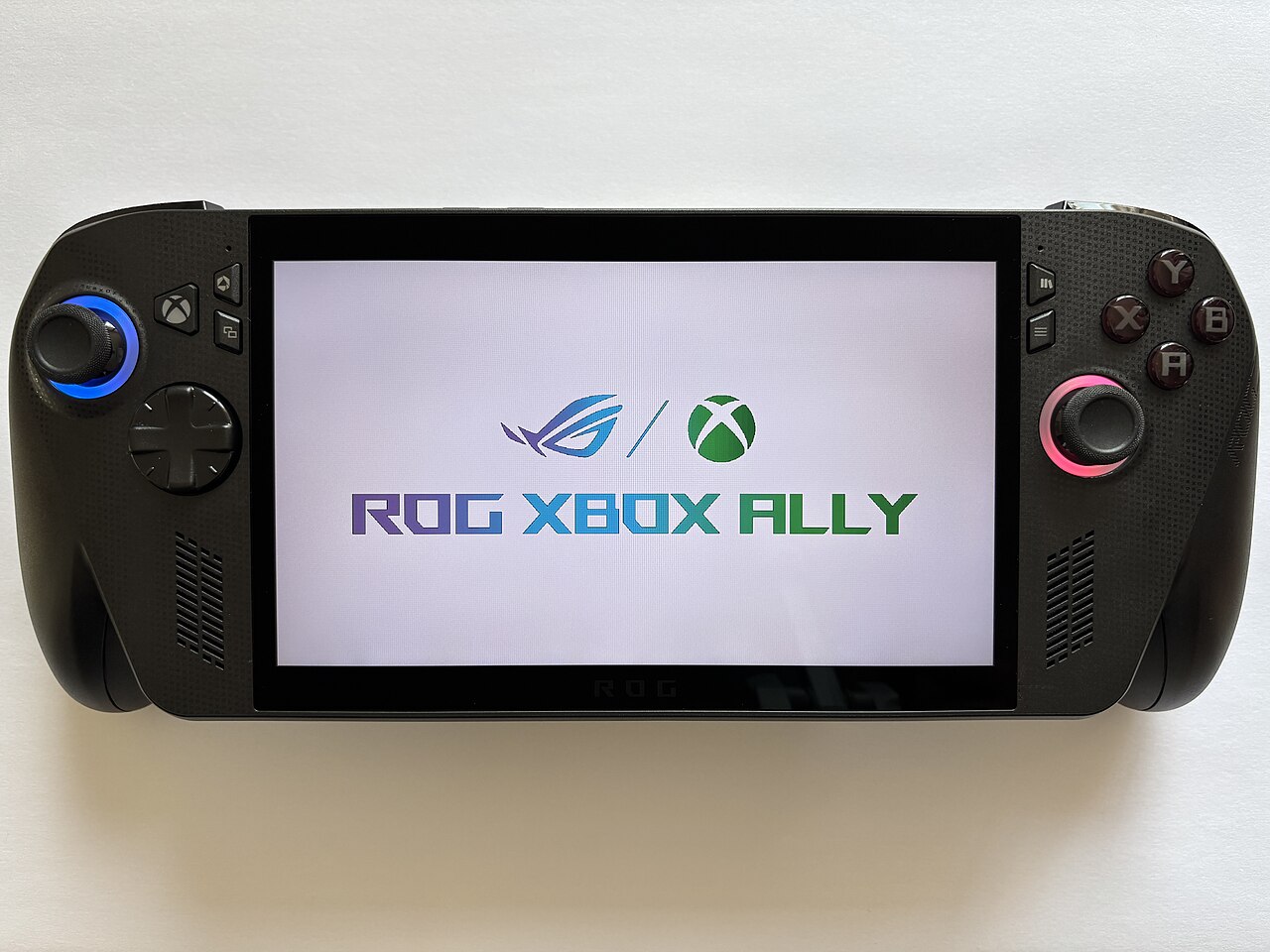
Asus
$799
Released 2024-07
The Asus ROG Ally X wins 4 of the 4 specs we compare head to head; the other wins 0. The Valve Steam Deck OLED is the cheaper at $549. Get the Asus ROG Ally X for the stronger spec sheet, the Valve Steam Deck OLED to spend less.
As an Amazon Associate we earn from qualifying purchases. Prices verified at capture; live price may differ.
The numbers that decide it, drawn to scale — longer bar wins, the accent bar is the stronger figure.
✓ marks the stronger figure where "more" — or "less", for price and weight — is unambiguously better.
| Spec | Valve Steam Deck OLED | Asus ROG Ally X |
|---|---|---|
| US price | $549 | $799 |
| Brand | Valve | Asus |
| Released | 2023-11 | 2024-07 |
| CPU | Custom AMD Sephiroth APU (Zen 2 quad-core @ 2.4–3.5 GHz, 6nm) | AMD Ryzen Z1 Extreme (Zen 4, 8-core @ up to 5.1 GHz) |
| GPU (TFLOPS) | 1.6 | 8.29 |
| RAM (GB) | 16 | 24 |
| Storage (GB) | 512 | 1000 |
| Max resolution | 1280x800 | 1920x1080 |
| Max (fps) | 90 | 120 |
| Optical drive | No | No |
| Release | 2023-11 | 2024-07 |
Sources — Valve Steam Deck OLED: en.wikipedia.org (verified 2026-06-15). Asus ROG Ally X: en.wikipedia.org (verified 2026-06-15).
Where the two actually differ on the specs we track (6 of 7). Matching specs are omitted.
Sourced tester consensus for each — the "what people who used it think" layer, not just specs.
Three whitelisted testers with hands-on lab measurements — Tom's Hardware, Tom's Guide and Engadget — agree the Steam Deck OLED is the definitive Steam Deck: the brighter OLED/HDR screen (measured ~597 nits SDR, ~969 nits HDR) and longer battery are genuine wins, but gaming performance is essentially unchanged from the LCD and the chassis stays bulky. (3 sourced reviews, 3 lab-tested.)
Praised: Bright, vibrant OLED/HDR display (measured ~597 nits SDR, ~969 nits HDR); Lighter, more comfortable-to-hold chassis (about 30g lighter); Cooler, better-managed thermals without extra fan noise.
Flagged: Gaming performance essentially unchanged from the LCD model; Large, bulky form factor unchanged from the original; Battery still drains fast in demanding HDR titles.
All three whitelisted testers (Tom's Hardware, Engadget, TechPowerUp) rate the 2024 ROG Ally X the best Windows handheld at launch, praising its doubled 80Wh battery, 24GB RAM performance gains and comfier grips. All flag the $799 price and clunky Windows. A newer rival (MSI Claw 8) later out-lasted its battery. Excludes the separate 2025 Xbox Ally X. (3 sourced reviews, 3 lab-tested.)
Praised: Doubled 80Wh battery delivers much longer runtime than the original Ally; 24GB of faster RAM lifts gaming performance on the same Z1 Extreme chip; Improved ergonomics, larger grips and better build comfort.
Flagged: $799/$800 price is steep, especially versus the cheaper Steam Deck; Windows 11 still feels clunky with a controller on a small handheld screen; Armoury Crate software remains buggy / less cohesive than SteamOS.