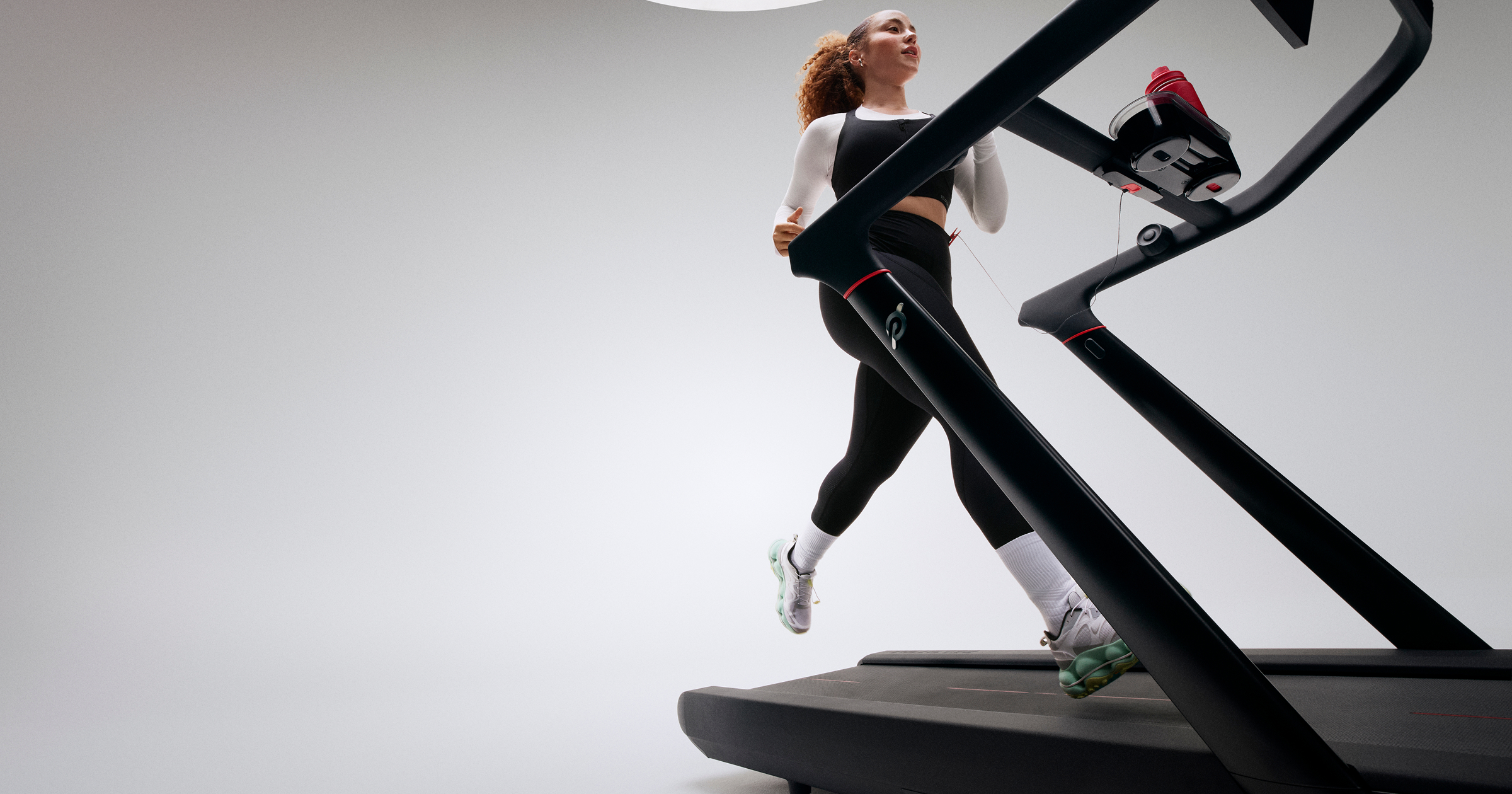
Peloton
Peloton Tread
$3295
Released 2020
Best Treadmills · head-to-head
A sourced, side-by-side comparison. Horizon 7.0 AT is cheaper at $1099. Every spec and price links to its source.
Peloton
$3295
Released 2020
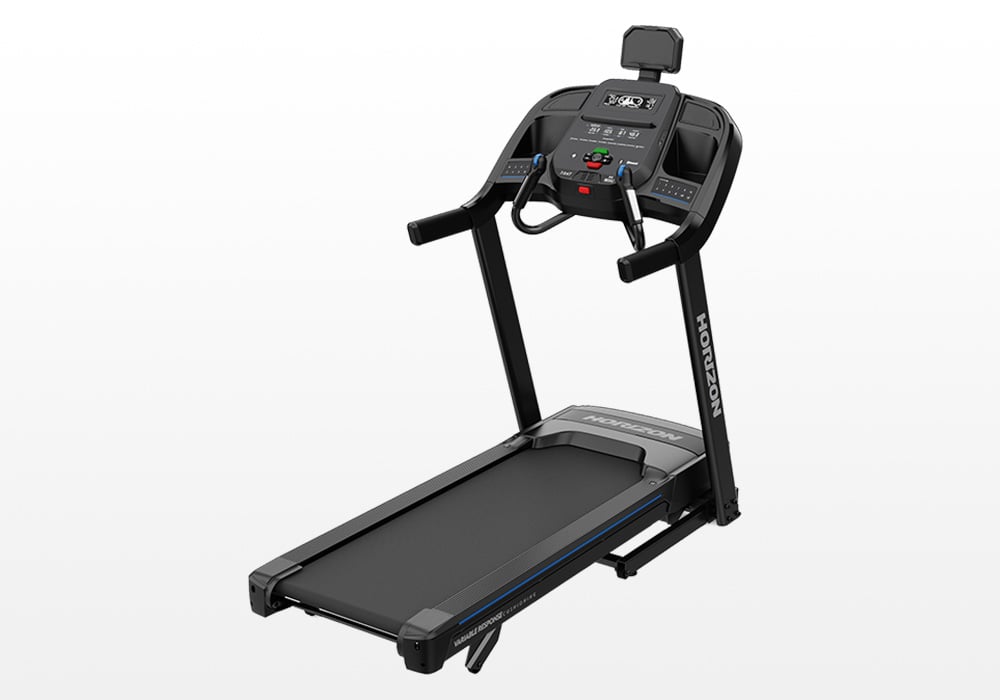
Horizon Fitness
$1099Cheaper
Released 2022
The Peloton Tread wins 1 of the 1 specs we compare head to head; the other wins 0. The Horizon 7.0 AT is the cheaper at $1099. Get the Peloton Tread for the stronger spec sheet, the Horizon 7.0 AT to spend less.
As an Amazon Associate we earn from qualifying purchases. Prices verified at capture; live price may differ.
✓ marks the stronger figure where "more" — or "less", for price and weight — is unambiguously better.
| Spec | Peloton Tread | Horizon 7.0 AT |
|---|---|---|
| US price | $3295 | $1099 |
| Brand | Peloton | Horizon Fitness |
| Released | 2020 | 2022 |
| Motor hp | 3 | 3 |
| Max speed mph | 12.5 | 12 |
| Max incline pct | 12.5 | 15 |
| Min incline pct | 0 | 0 |
| Running deck (in) | 20 x 59 | 20 x 60 |
| Folding | No | Yes |
| Max user weight (lb) | 300 | 325 |
| Touchscreen (in) | 21.5 | — |
Sources — Peloton Tread: onepeloton.com (verified 2026-06-15). Horizon 7.0 AT: horizonfitness.com (verified 2026-09-21).
Where the two actually differ on the specs we track (5 of 8). Matching specs are omitted.
Sourced tester consensus for each — the "what people who used it think" layer, not just specs.
Four whitelisted outlets (Garage Gym Reviews, Tom's Guide, BarBend, TechRadar) hands-on tested the base Peloton Tread and agree its live/on-demand class programming, handlebar speed/incline dials and 23.8-inch touchscreen are best-in-class. All four also flag that it is expensive and needs a paid monthly All-Access subscription to use ($39-$44 depending on review year), weighs ~290 lb, does not fold, has a sub-60-inch belt and a weak 5-year frame warranty. No RTINGS lab data available. (4 sourced reviews, 4 lab-tested.)
Praised: Live/on-demand class programming, instructors and immersive studio-style experience are best-in-class; Speed/incline dial knobs on the handrails are intuitive and easy to adjust mid-run; Large 23.8-inch HD touchscreen looks great and is responsive.
Flagged: Expensive machine plus a required paid monthly All-Access subscription to use it ($39-$44/month across reviews); Heavy (~290 lb), bulky and does not fold for storage; No built-in fan on the console.
Two whitelisted hands-on testers (Garage Gym Reviews, BarBend) reviewed this exact model; both recommend it as a top budget running treadmill around/under $1,000. They praise its stable, shake-free 60-inch three-zone cushioned deck, wide 12-mph/15% range via QuickDial, and easy FeatherLight folding. Gripes: no touchscreen (basic LCD only), selective app integration (not iFIT-compatible), and a heavy ~277-lb build; one BarBend tester also found the belt a little thin. No lab-instrument measurements (noise dB, verified HP) were taken. (2 sourced reviews, 2 lab-tested.)
Praised: Stable and shake-free even during runs and sprints; Long 60-inch three-zone cushioned deck, good for tall runners and joints; Strong value; best budget treadmill around/under $1,000.
Flagged: No touchscreen; only a basic LCD display; Limited/selective app integration (not iFIT-compatible; some apps only stream stats); Heavy machine (~277 lb / over 250 lb), hard to move.