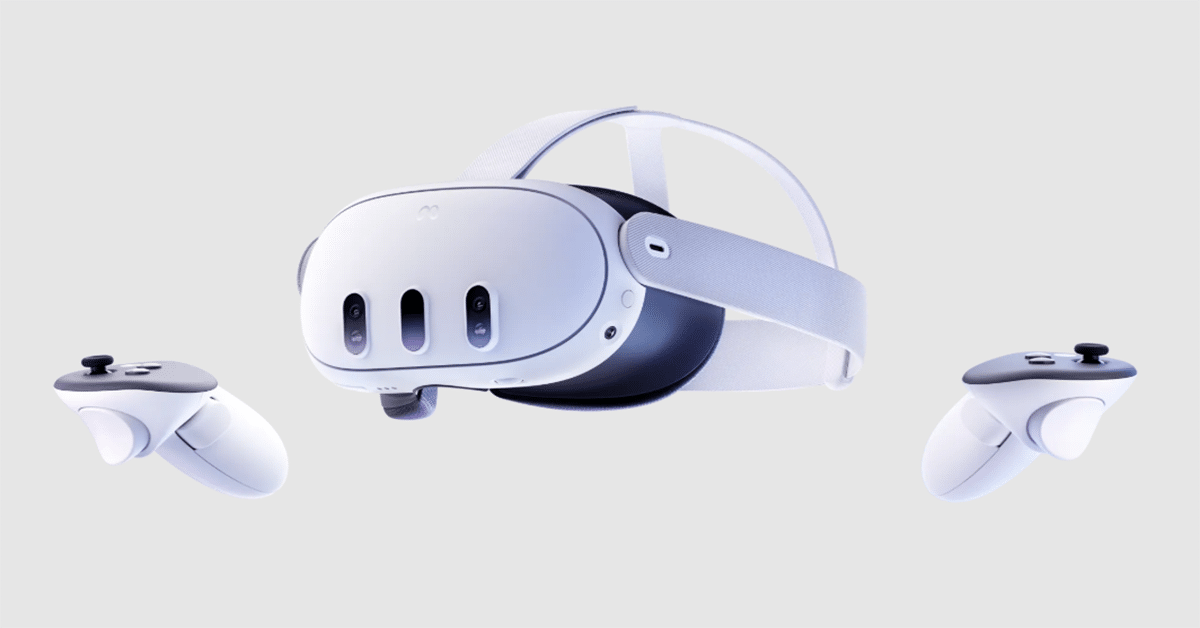
Meta
Meta Quest 3
$599.99
Released 2023-10
Best VR Headsets · head-to-head
A sourced, side-by-side comparison. Sony PlayStation VR2 is cheaper at $549. Every spec and price links to its source.
Meta
$599.99
Released 2023-10
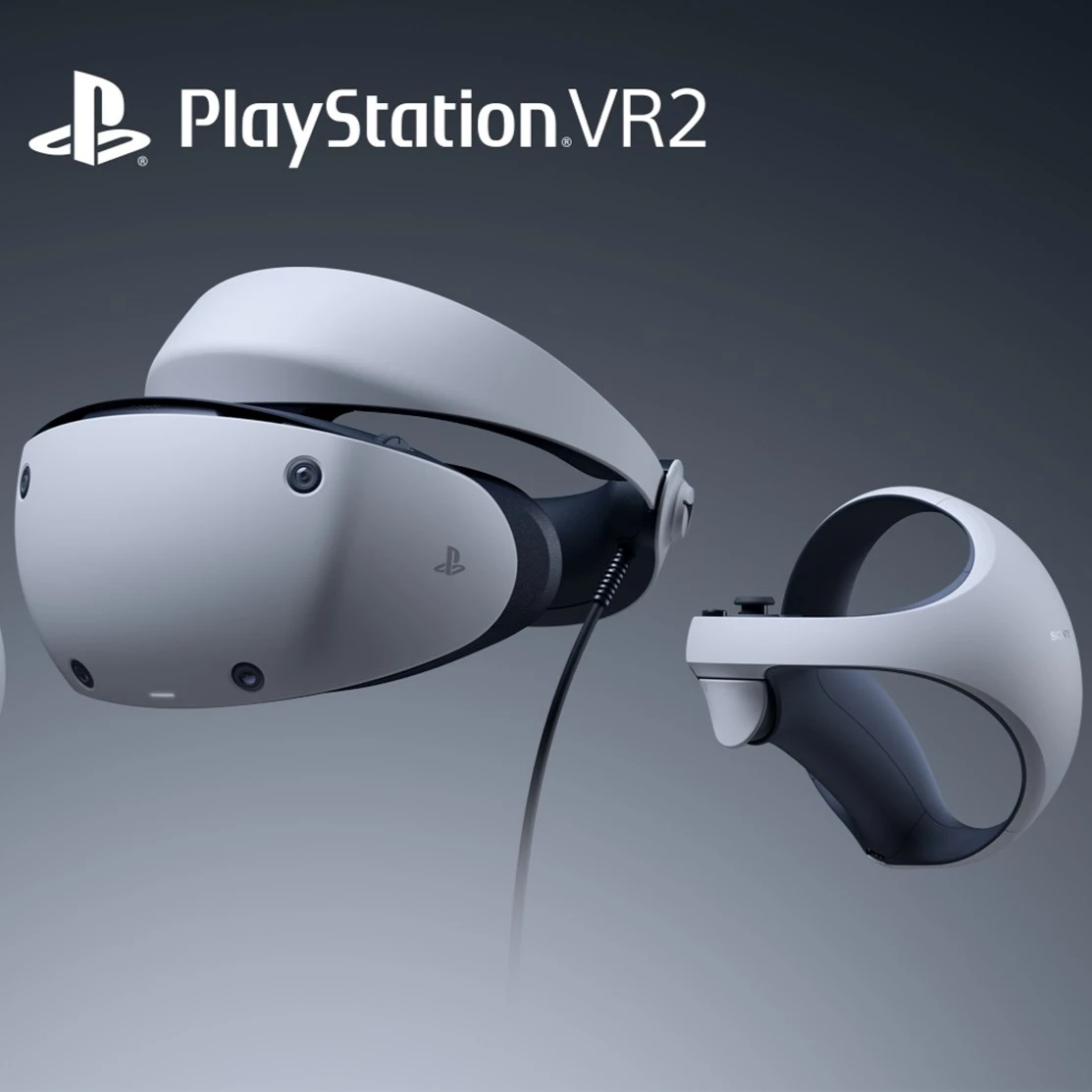
Sony
$549Cheaper
Released 2023-02
The Meta Quest 3 wins 1 of the 1 specs we compare head to head; the other wins 0. The Sony PlayStation VR2 is the cheaper at $549. Get the Meta Quest 3 for the stronger spec sheet, the Sony PlayStation VR2 to spend less.
As an Amazon Associate we earn from qualifying purchases. Prices verified at capture; live price may differ.
✓ marks the stronger figure where "more" — or "less", for price and weight — is unambiguously better.
| Spec | Meta Quest 3 | Sony PlayStation VR2 |
|---|---|---|
| US price | $599.99 | $549 |
| Brand | Meta | Sony |
| Released | 2023-10 | 2023-02 |
| Display per eye | 2064x2208 | 2000x2040 |
| Refresh (Hz) | 120 | 120 |
| FOV (°) | 110 | 110 |
| Tracking | inside-out optical (no base stations) | inside-out (4 headset cameras + IR eye tracking) |
| Standalone | Yes | No |
| Storage (GB) | 128 | — |
| Weight (g) | 515 | 560 |
| Passthrough | Yes | Yes |
| Release | 2023-10 | 2023-02 |
Sources — Meta Quest 3: en.wikipedia.org (verified 2026-06-15). Sony PlayStation VR2: en.wikipedia.org (verified 2026-06-15).
Where the two actually differ on the specs we track (4 of 8). Matching specs are omitted.
Sourced tester consensus for each — the "what people who used it think" layer, not just specs.
Across three verified hands-on reviews (Tom's Guide, TechRadar, The Verge), the Quest 3 is the consensus best standalone VR headset for the price / for most people: sharper higher-res pancake-optic displays that finally make in-headset text legible, a slimmer better-balanced design, snappy Snapdragon XR2 Gen 2 performance, and improved full-color passthrough over predecessors. Tom's Guide and The Verge flag roughly two-hour battery life and imprecise hand tracking, and both note a thin mixed-reality content library at launch; TechRadar reports the same ~2-hour runtime but frames it positively and is bullish on MR. (3 sourced reviews, 3 lab-tested.)
Praised: Best standalone VR headset for the price / for most people; Sharper higher-res pancake-optic displays; in-headset text finally legible; Slimmer, better-balanced, more comfortable design than Quest 2.
Flagged: Short battery life, around two hours; Hand tracking imprecise / not yet genuinely useful; Thin mixed-reality content library at launch.
Four whitelisted hands-on reviews (Road to VR, UploadVR, Engadget, Tom's Guide) of the exact PSVR 2 (PS5) headset; all four survived verification. All four praise the OLED resolution/clarity leap; three highlight comfort, the simpler single-cable setup, and immersive haptics plus eye tracking. Three flag the $549 price (more than the PS5 it requires to run) and a port-heavy launch library. Only UploadVR and Engadget report tested numbers, both for Sense controller battery life (6 hours and 30 minutes and around four hours respectively). (4 sourced reviews, 2 lab-tested.)
Praised: Huge OLED resolution upgrade delivers rich color, deep blacks and a sharper image; Comfortable to wear with a dramatically simpler single-cable setup than the original; Headset and controller haptics plus eye tracking add real immersion.
Flagged: Priced at $549, more than the PS5 it requires to run; Launch library leans heavily on ports rather than new titles; Small sweet spot, motion blur and visible mura hold back edge clarity.